It started out as a bit of fun, searching for vampires and life beyond. But, as the line from J.R.R. Tolkien says, perhaps I’d “delved too greedily and deep.”
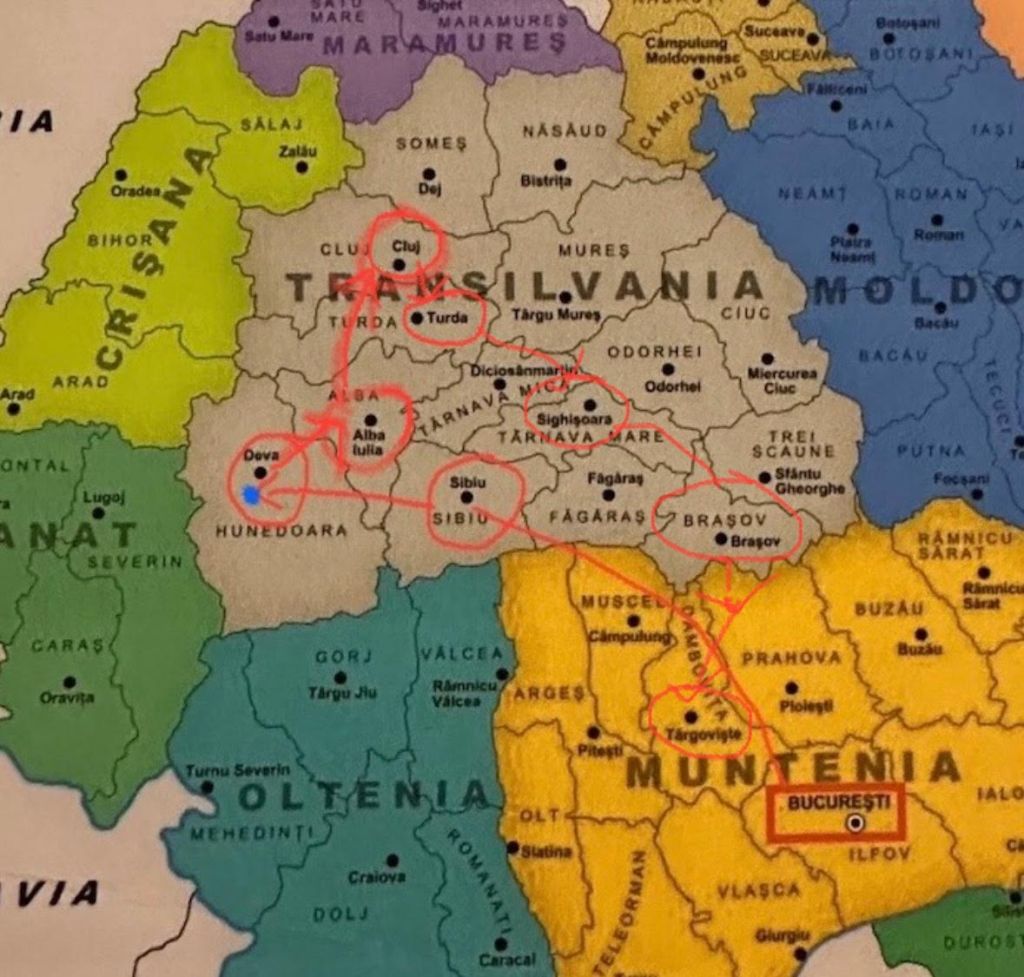
Troubled thoughts plagued me as I left the isolated grandeur of Peles Castle and headed southeast towards Targoviste. There, I would find the remains of Curtea Domneasca, the Royal Court where Vlad Dracul held reign. I should have been excited to continue my quest, but I felt uneasy and sad, as if I’d left my heart in Sinaia like Princess Marie.
As the forest disappeared, along with the Carpathian Mountains, my unease spread. I wondered if the strange animal sightings, mysterious psychic predictions, and puzzling clues along the way were part of something larger of which I wasn’t aware. The problem was, I didn’t know if it was something good, or a darkness I should run from while I could.
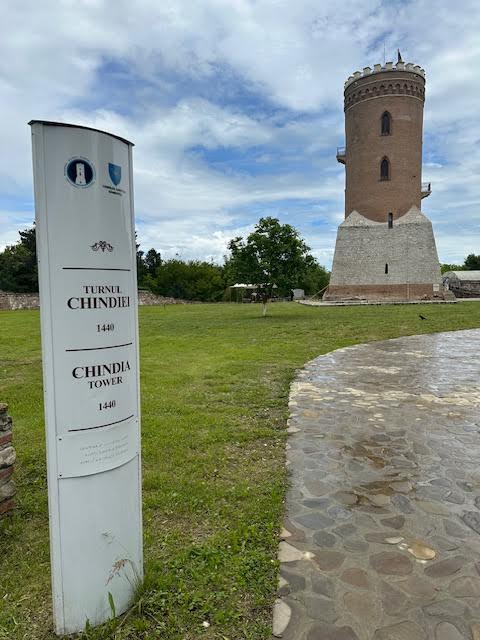
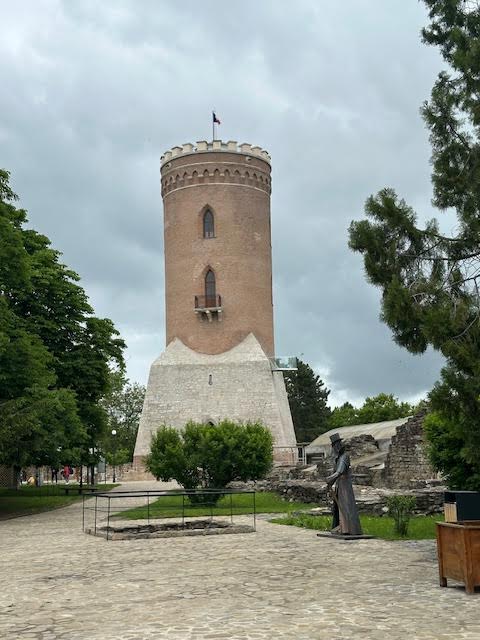
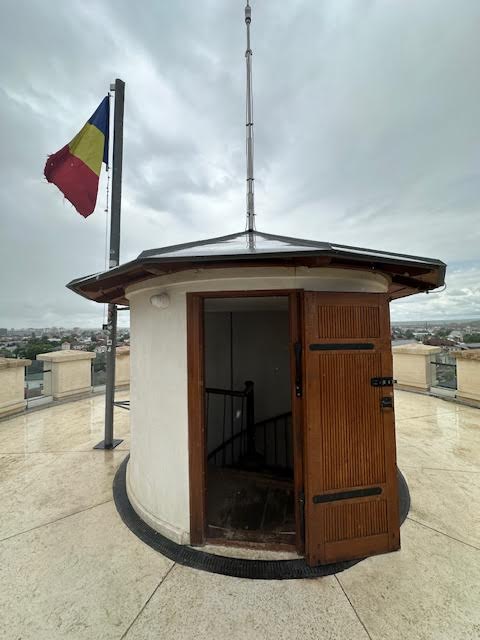
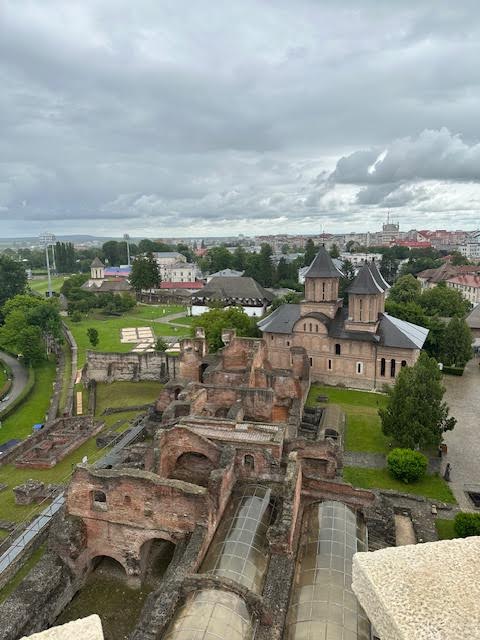
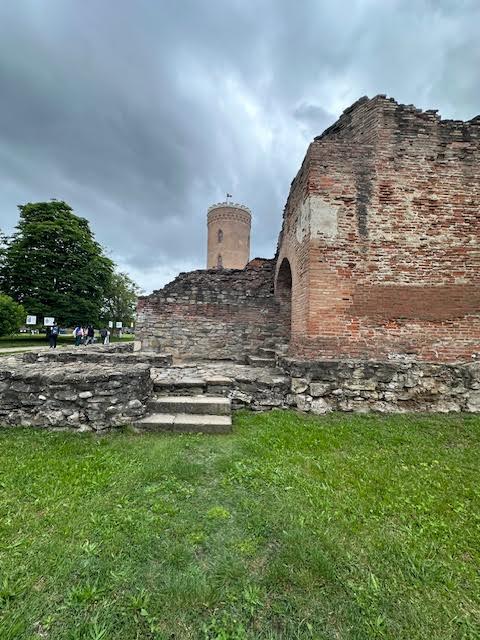
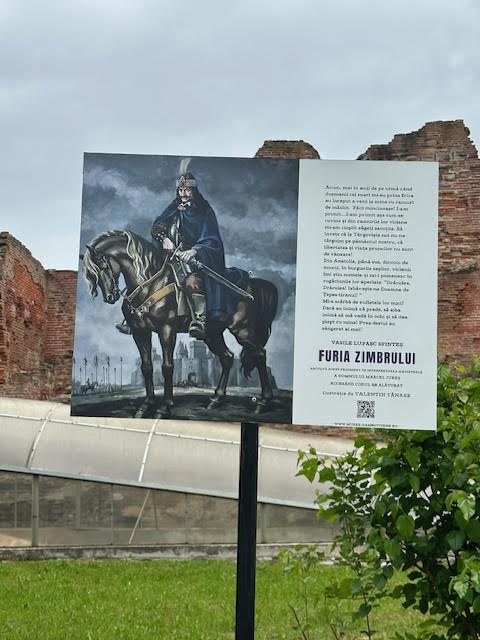
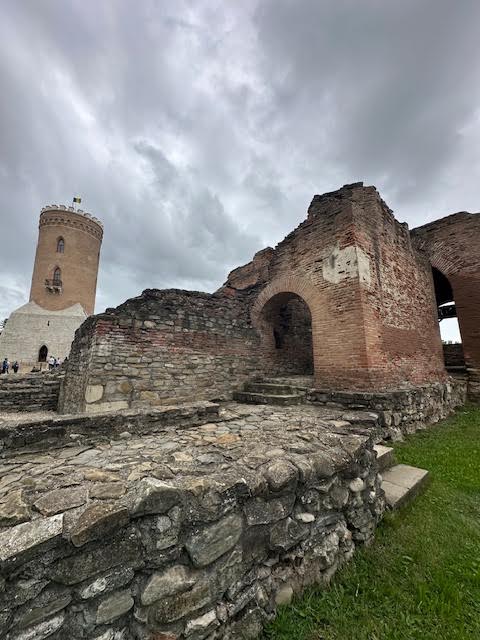
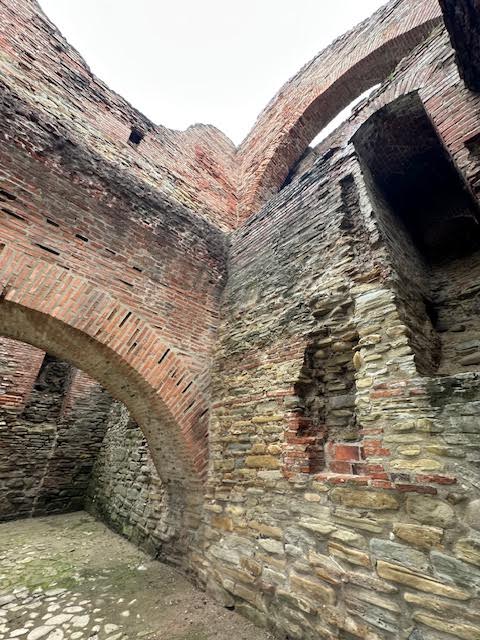
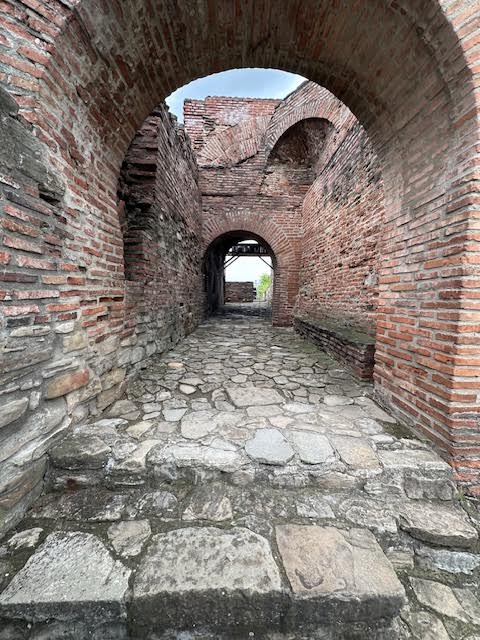
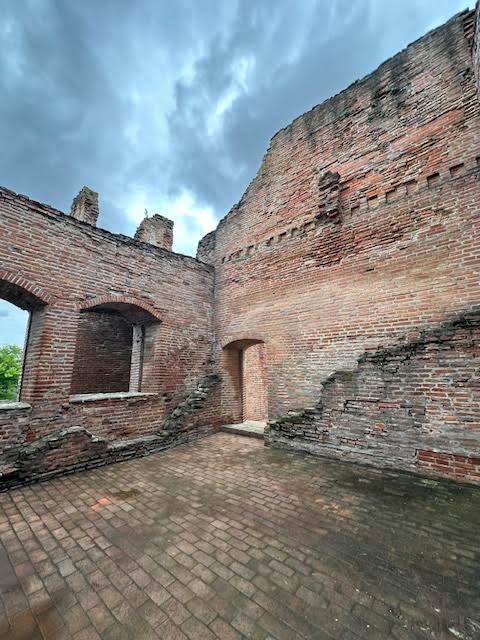
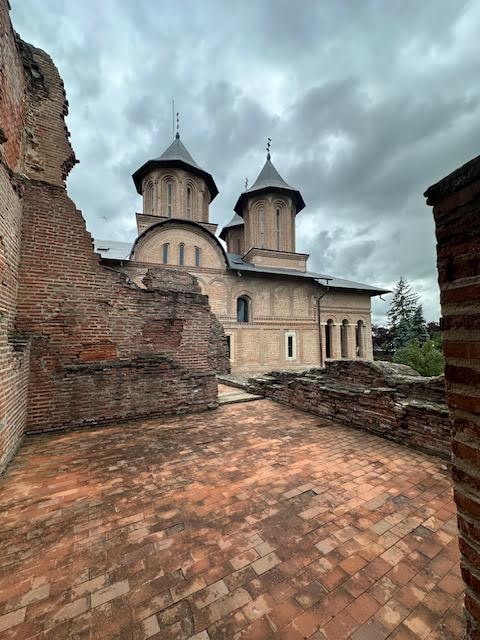
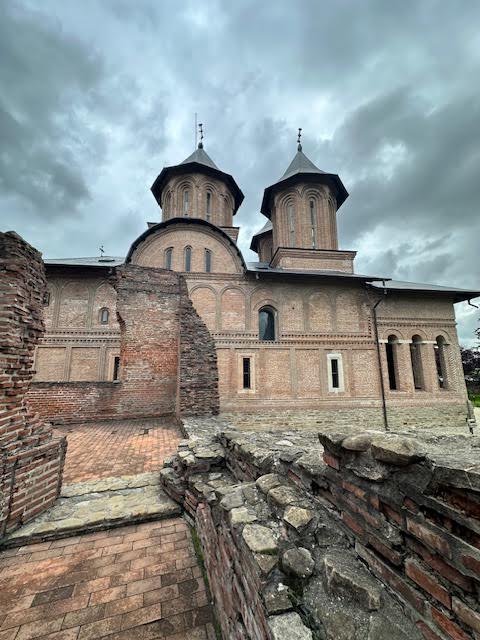
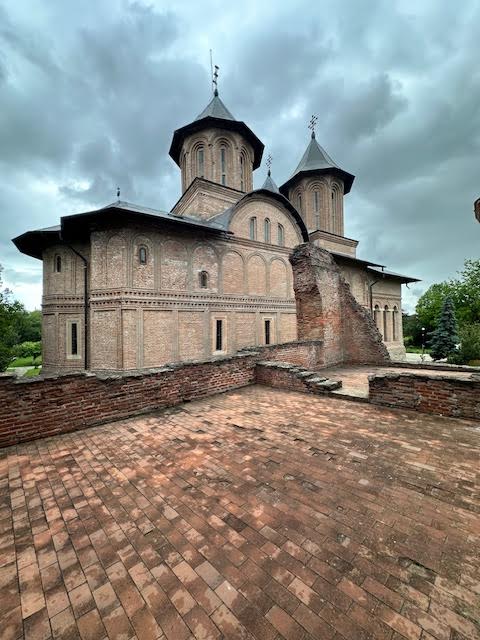
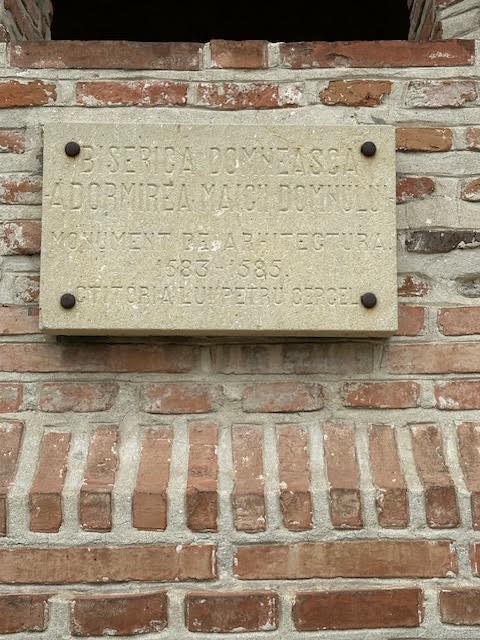
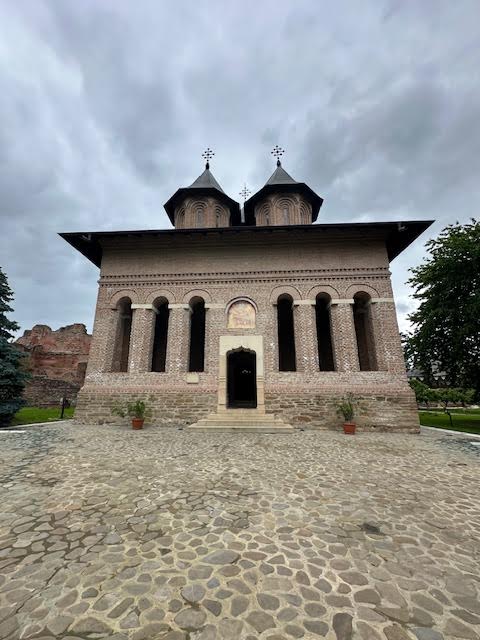
Târgoviște was the seat of power for Walachia in the 1400’s and the stronghold of Vlad the Impaler. Inside this fortress stands several buildings along with his palace, the Royal Church, Biserica Adormirea, and a Watchtower, Turnul Chindiei, where it is rumored that Prince Vlad Tepes impaled disloyal aristocrats after inviting them to dinner.
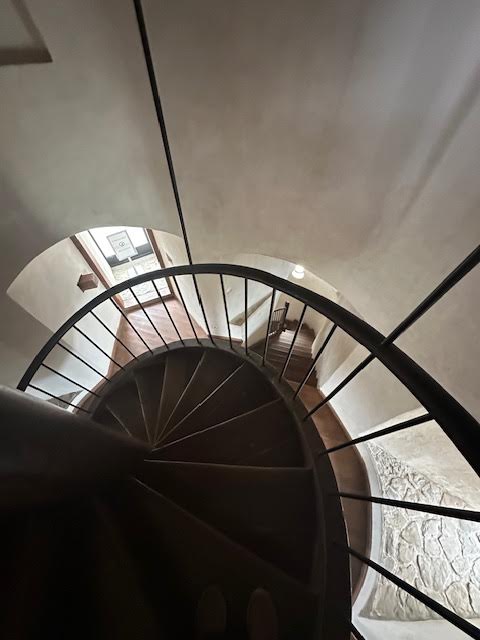
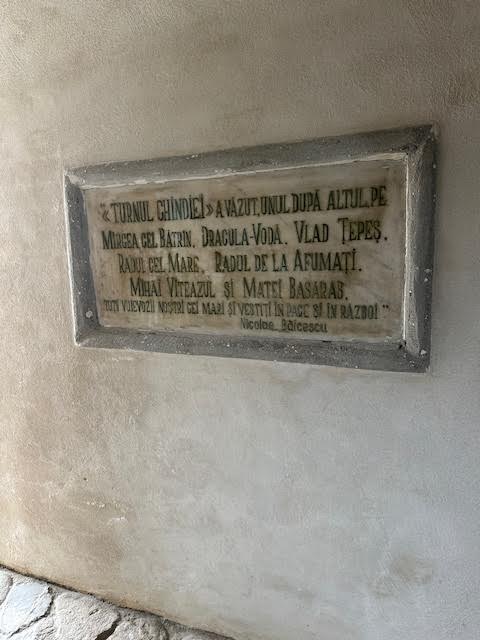
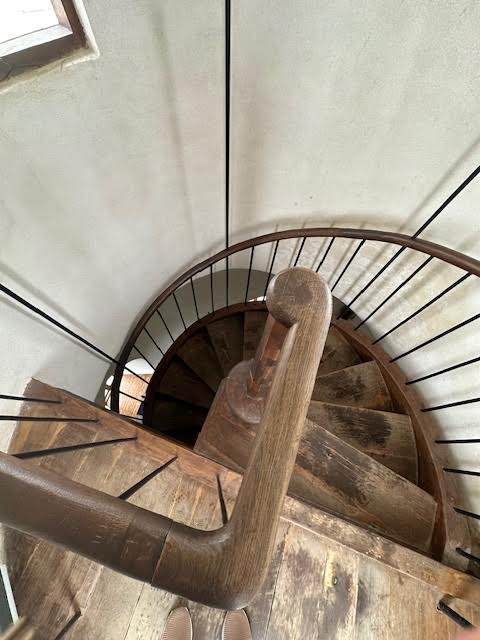
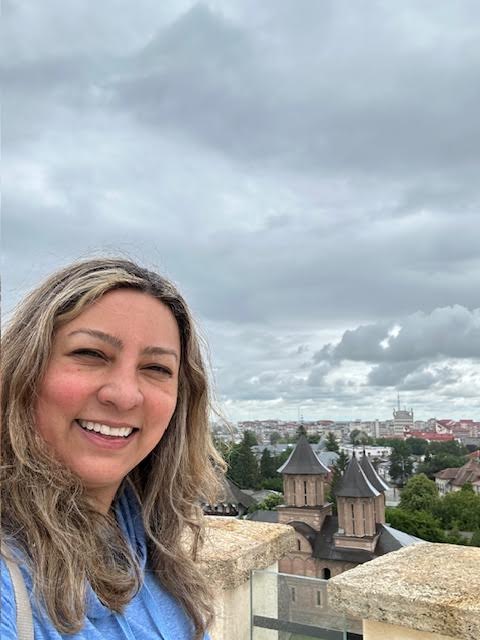
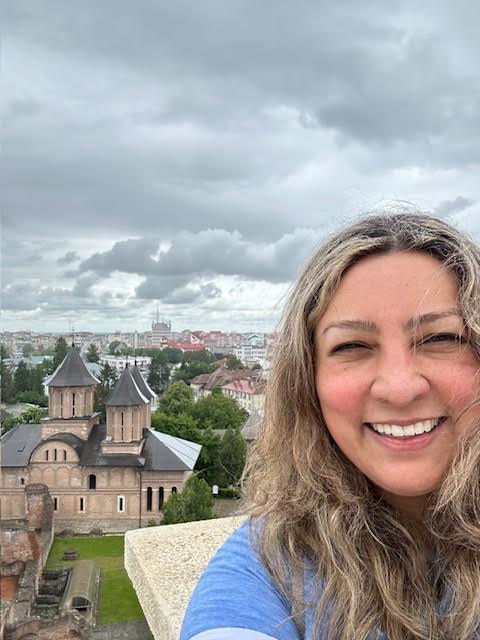
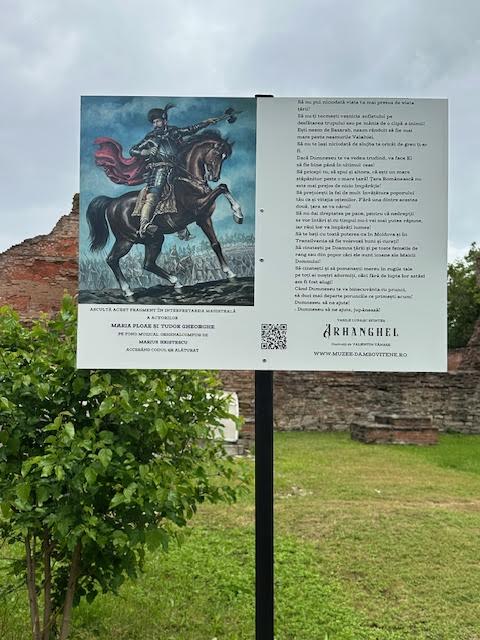
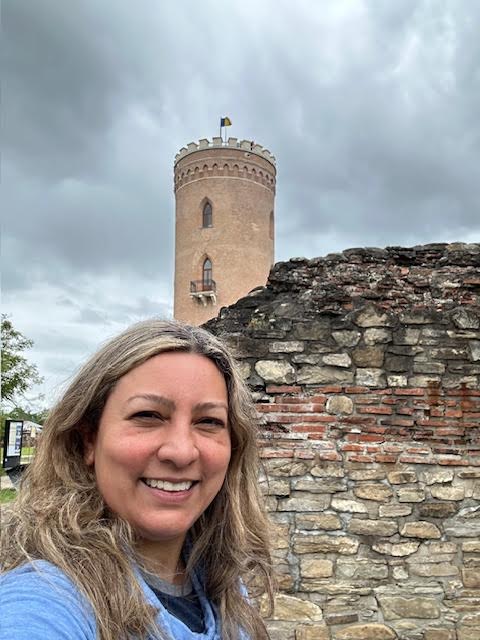
As usual, I headed to the Watchtower first, climbing the winding stars to the very top, where I had a clear view of the remains and the Royal Palace and Church beyond. Unfortunately, the only evidence I found of Vlad Tepes was a plaque on the wall.
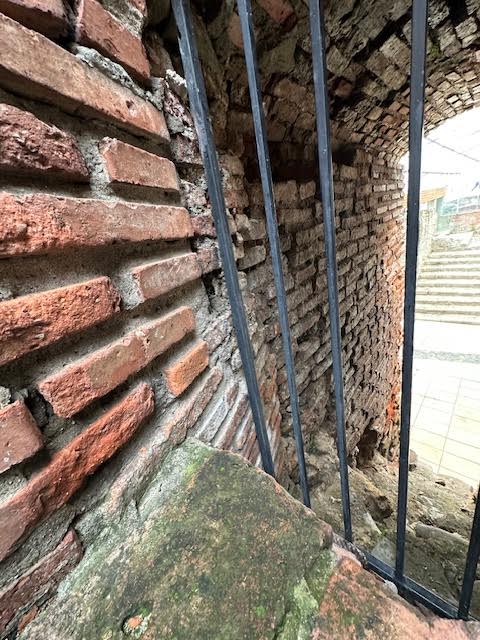
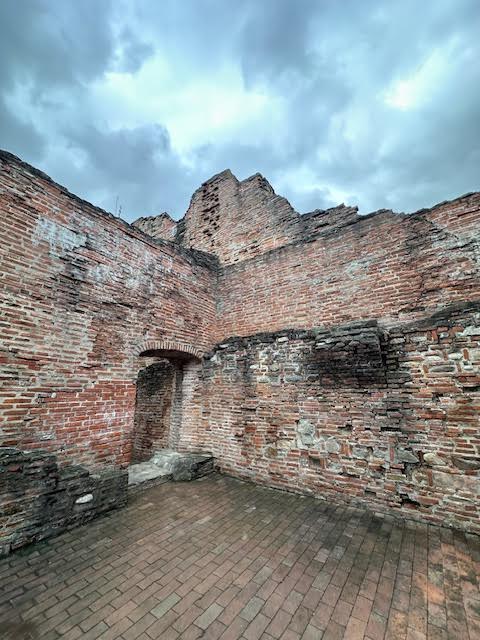
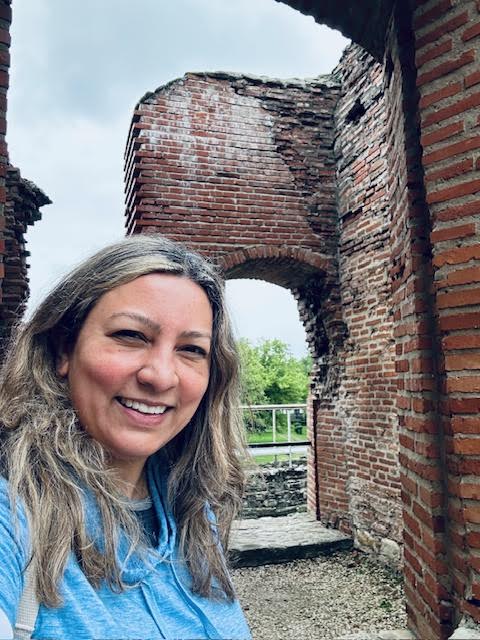
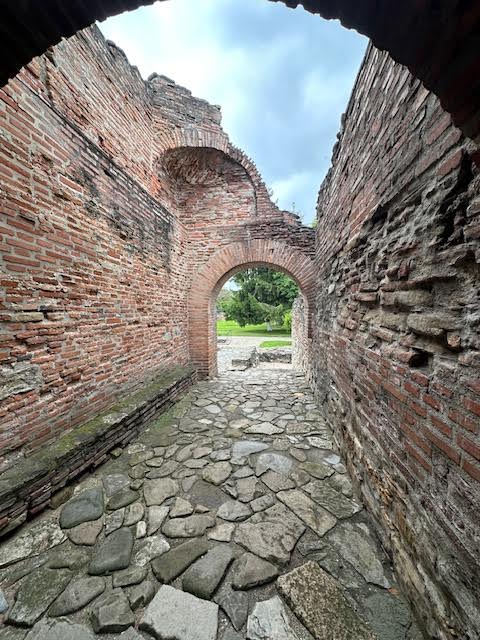
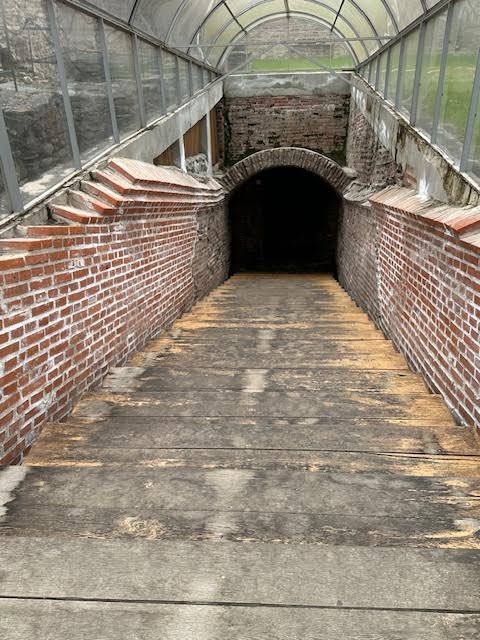
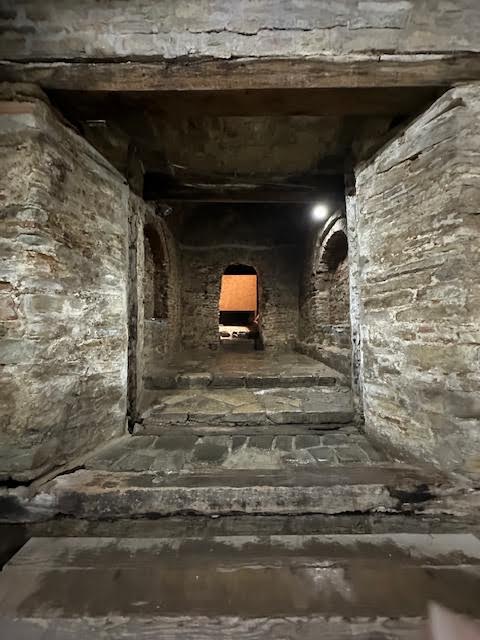
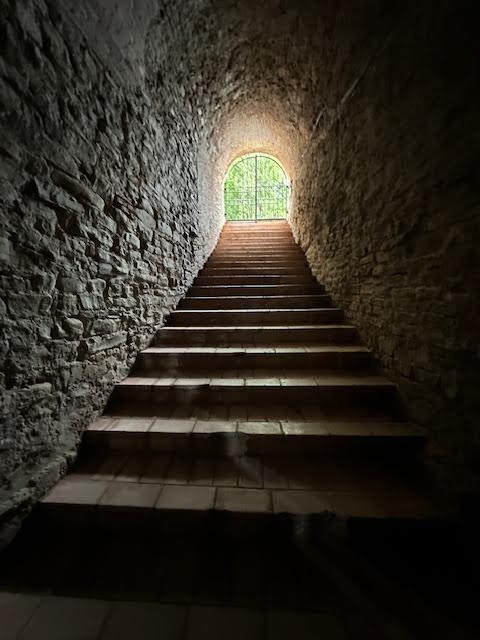
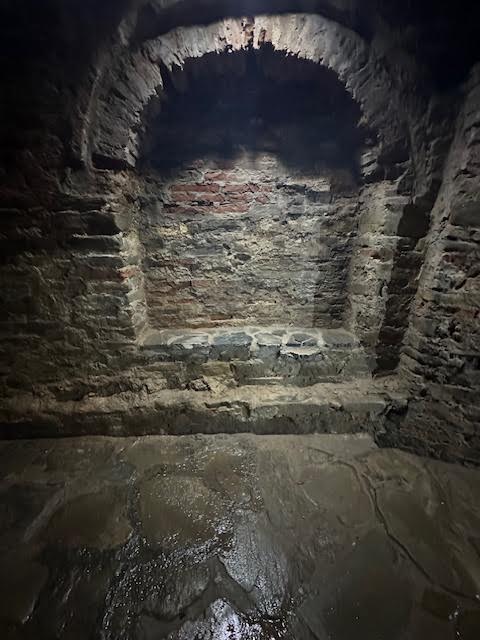
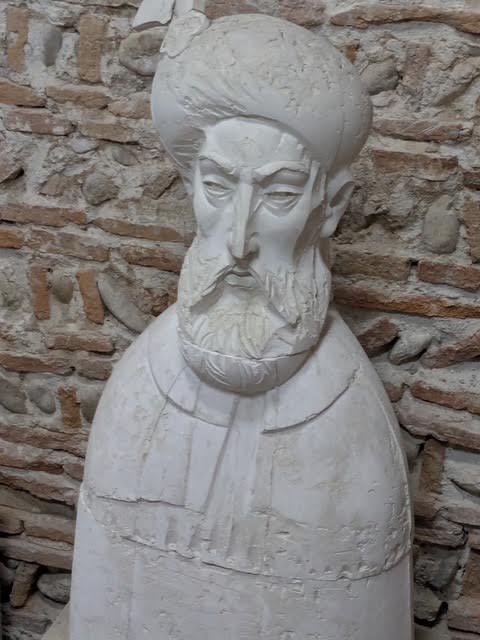
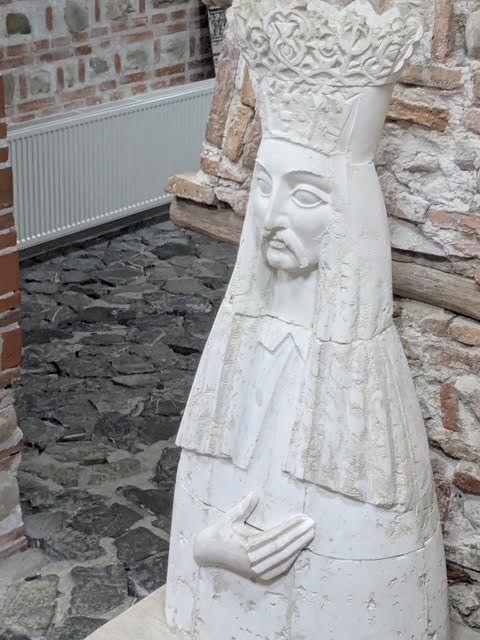
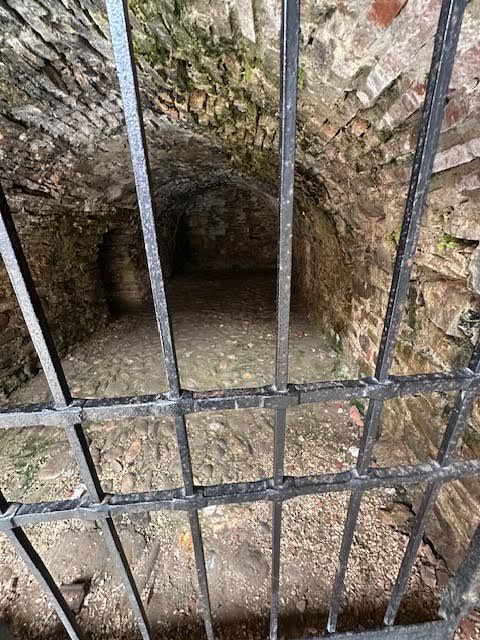
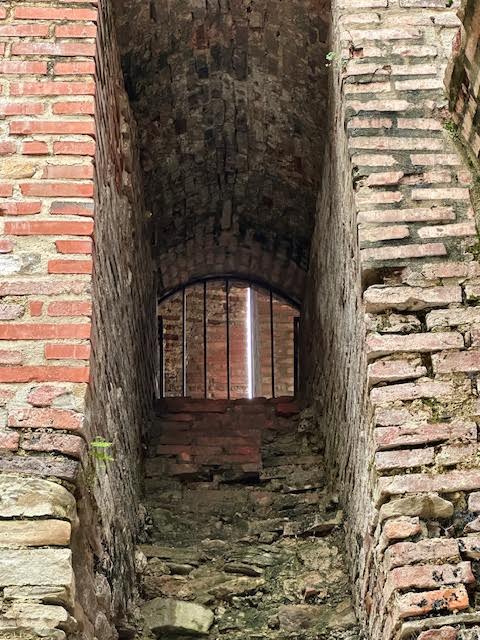
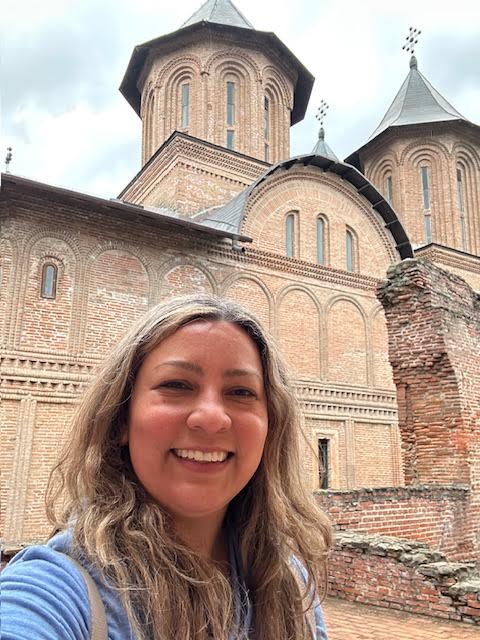
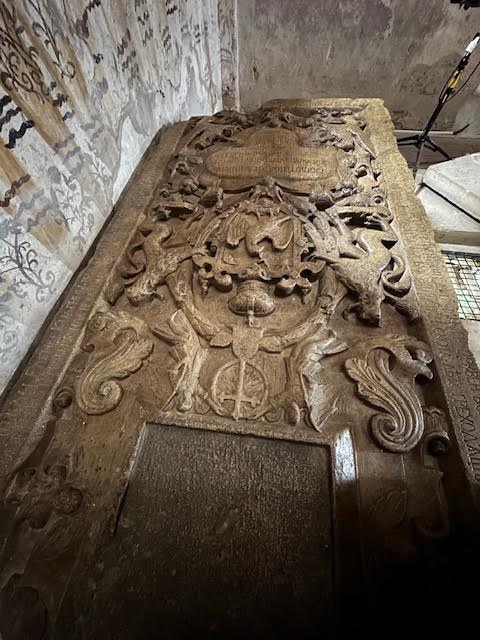
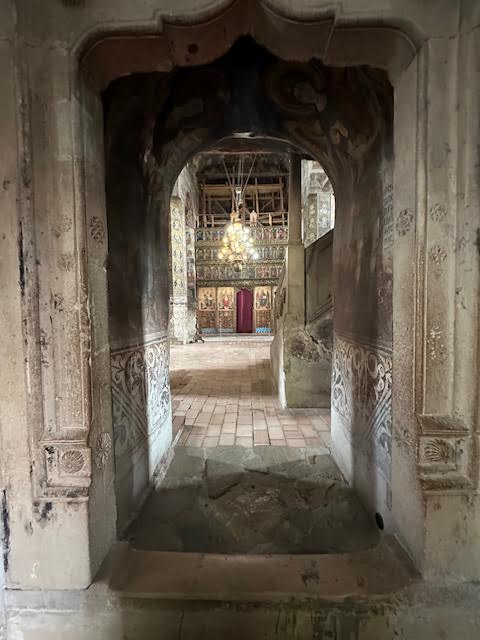
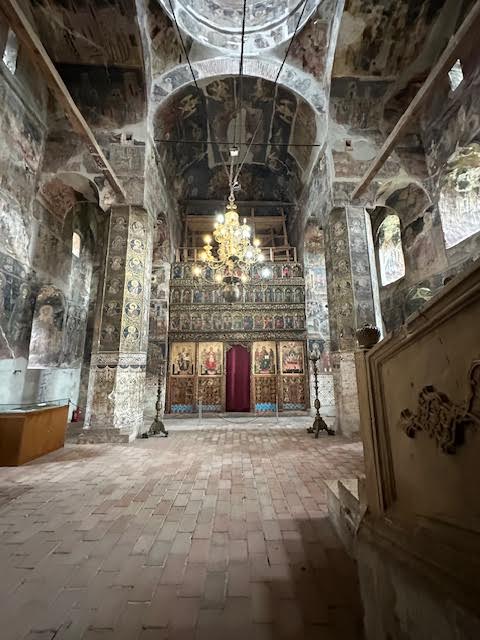
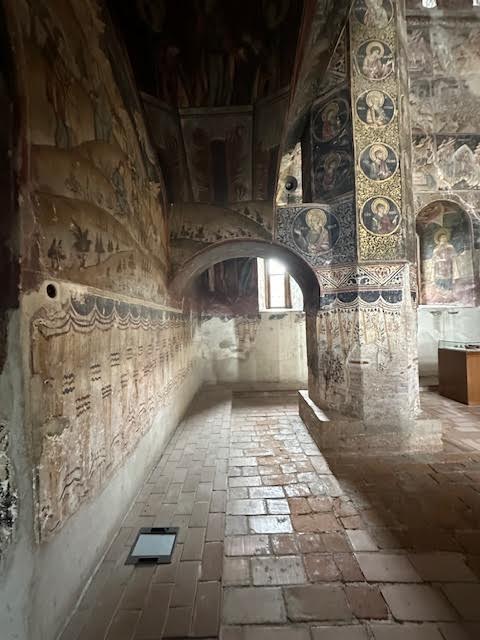
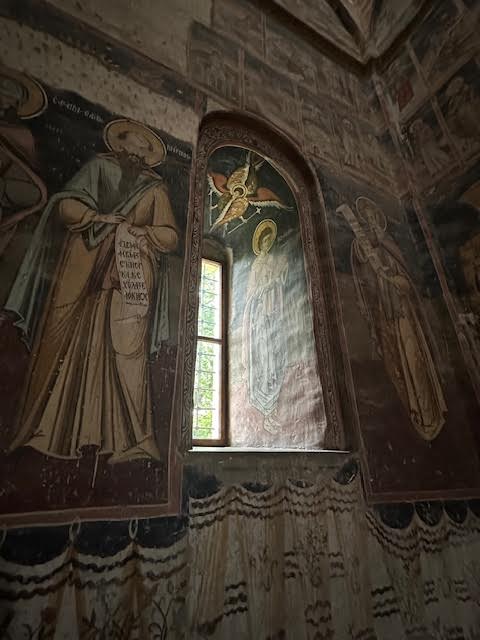
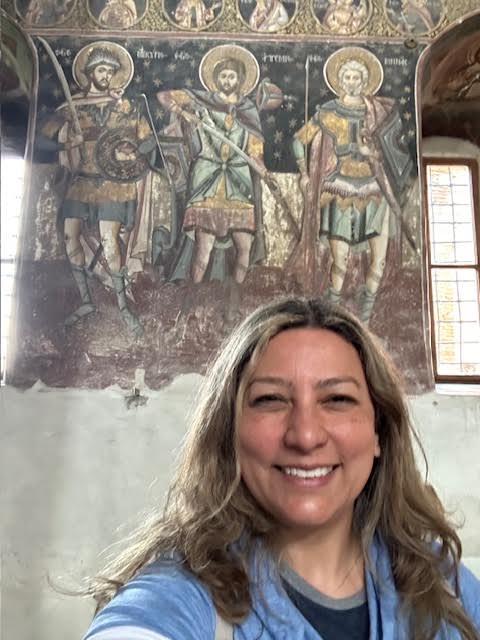
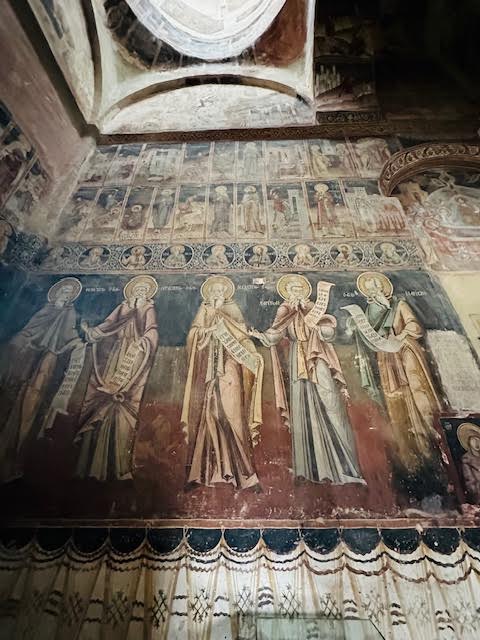
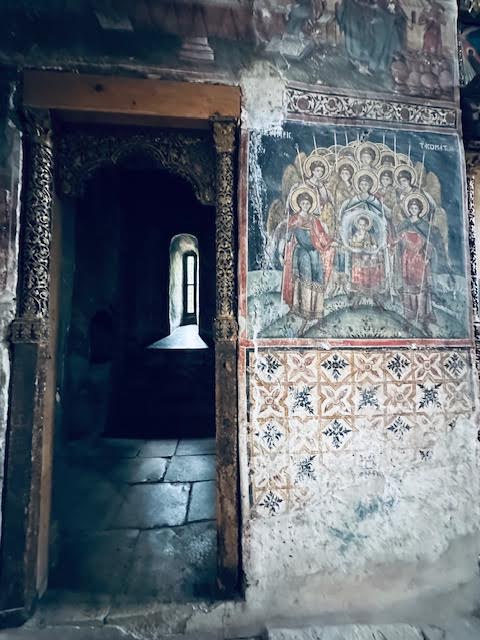
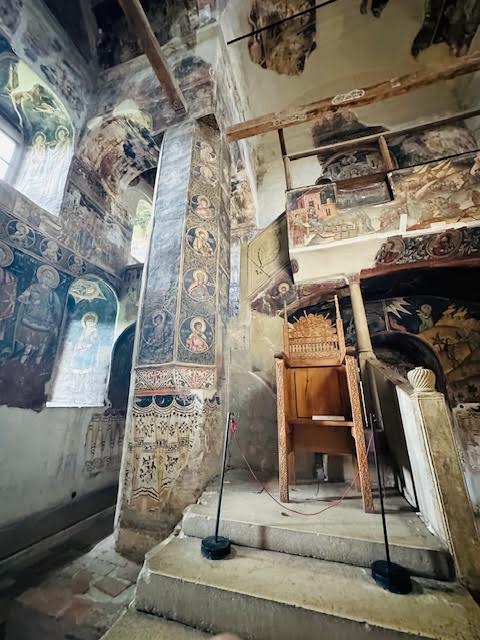
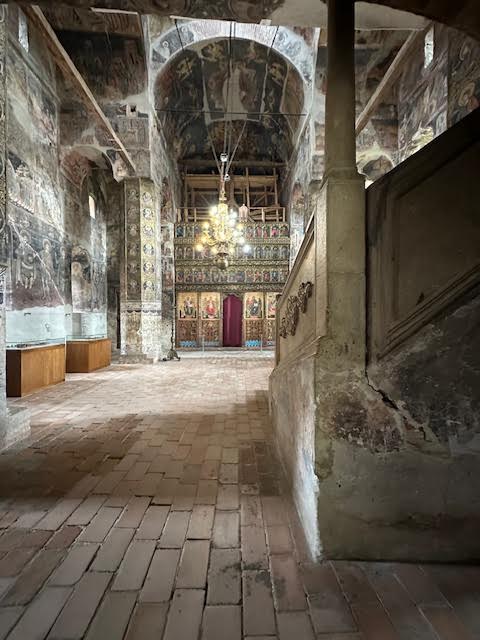
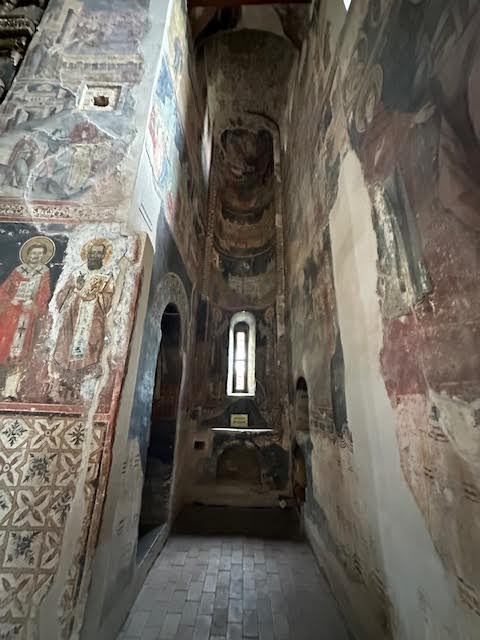
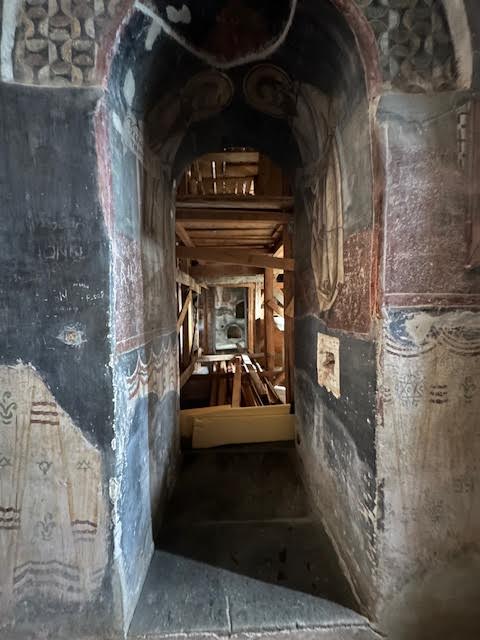
Next, I explored the ruins of the King’s residence and descended into the original cellar. It was deep, dark, and cold, but I found no coffins or vampires, only statues and stones. In the end, it was the Royal Church, the Biserica Adormirea, built in the 1500’s, years after Vlad Tepes, that I had a clue that I was right to feel cautious, that maybe I’d been led astray. See video Here.
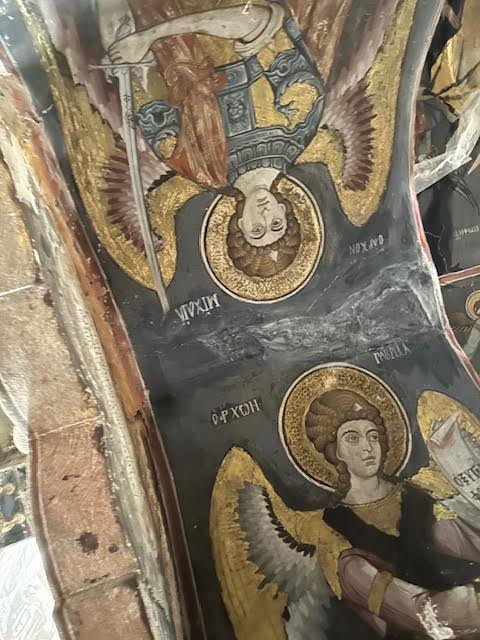
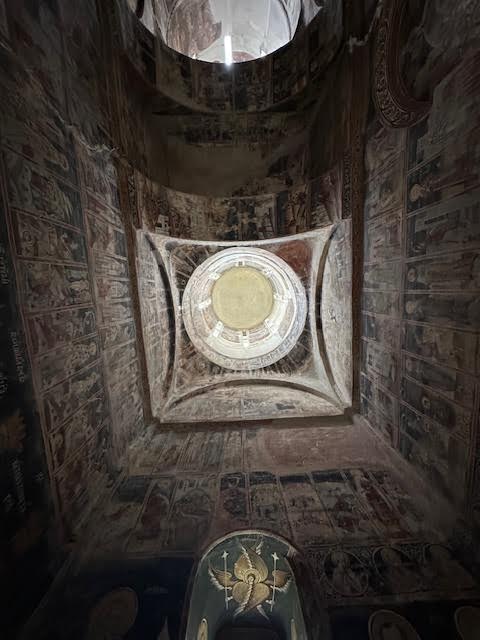
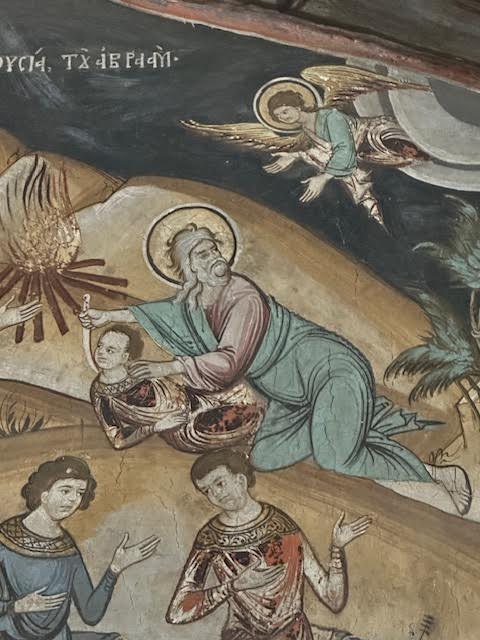
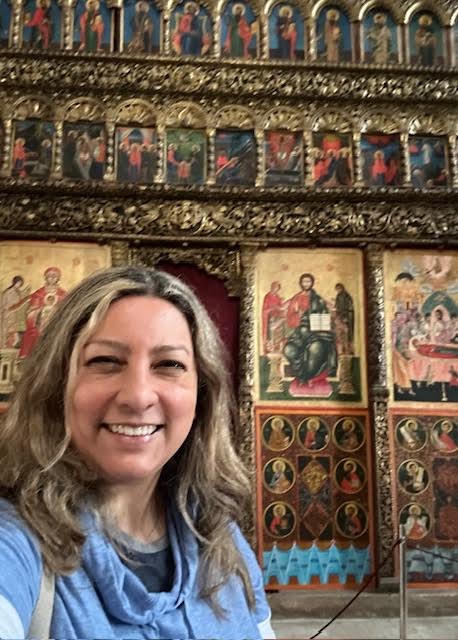
Alone, inside, and surrounded by sacred images, I was reminded of Snagov Monastery and the feeling I’d had when I started this journey. Then, I’d been filled with joy, but, since leaving Peles, I was riddled with trepidation. Maybe it was because my time in Transylvania was coming to an end. Departing was sweet sorrow. I’d fallen in love with Romania, its history, and its people.
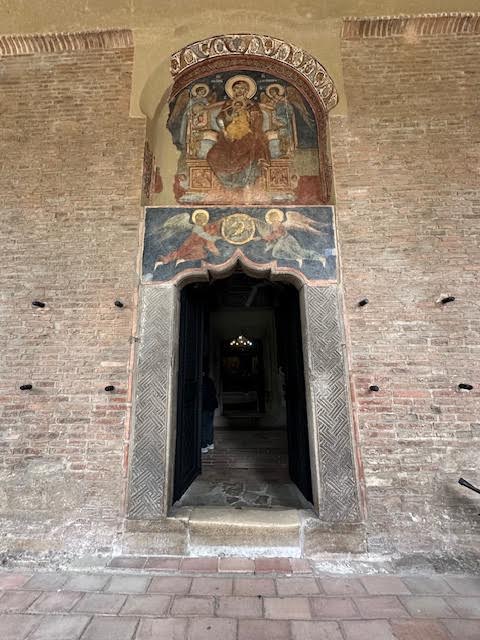
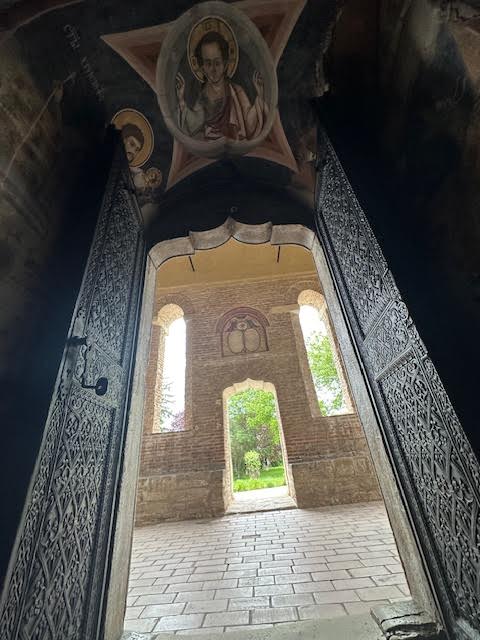
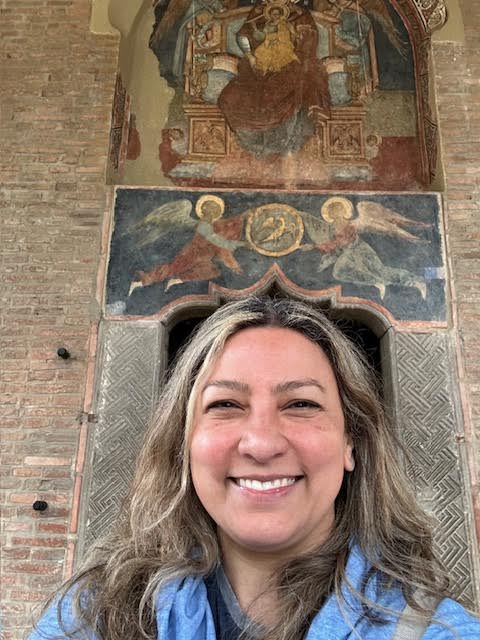
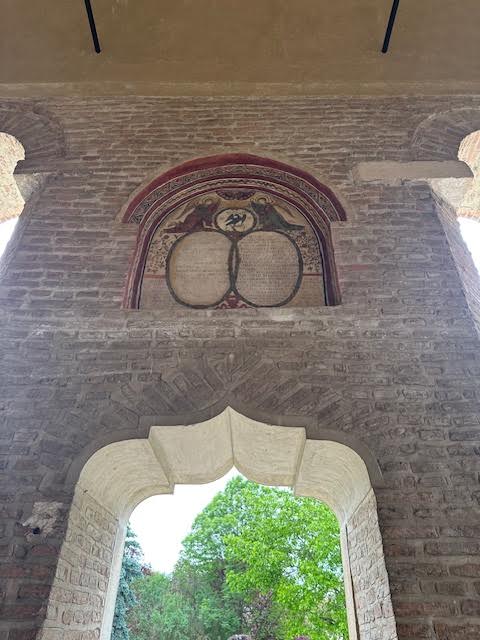
As I exited through the massive, carved black doors of the church, I noticed a fresco high above the entrance. I froze, looking up at two angels with a black bird between them. I was instantly taken back to the Ravens at Corvin Castle. This time, I was sure. I wasn’t following the ravens anymore. I’d found them. And they’d found me.
A shiver went up my spine. It wasn’t the first time I’d seen the Coat of Arms of Wallachia, or a Raven with a gold ring clasped in its beak. But…
Have you heard the story of The Temptation of Benedict? The legend tells of a 6th-century saint who secluded himself in a dark cave outside of Rome. The devil came in the form of a black bird to torment him with visions. In the end, St. Benedict threw himself onto spiky thorns, using the pain to ward off temptation.
The fresco probably represents the connection between Heaven and the Crown. But, standing by the entrance of the church, I thought of the spiritual struggle between evil and good. The devil depicted as a bird of ill omen and the angels, forces of good, containing it. In the story of St. Benedict, the bird was defeated by the saint. But Benedict did not leave the encounter unscathed.
The fascinating part of that story is that it is a complete contrast to the tale of how a Raven saved St. Benedict’s life. In that version, the black bird flies off with a loaf of poisoned bread sent by Benedict’s enemy to strike him dead. The Raven was revered. Either way, the saint is often pictured with the bird, and his medal kept for powerful protection against evil, and for opening doors. Unfortunately, I had no medal.
Something good, or a darkness I should run from while I could?
I pondered the question on my way to Bucharest, where my search for vampires took an even odder twist.
Dawn B~


 Dawn Berkoski
Leave a comment