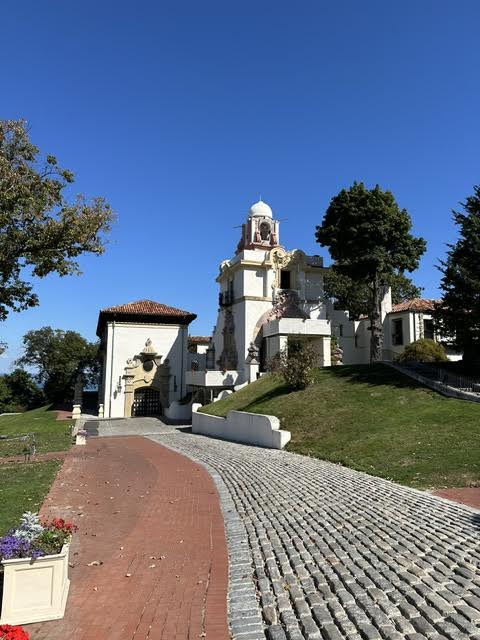
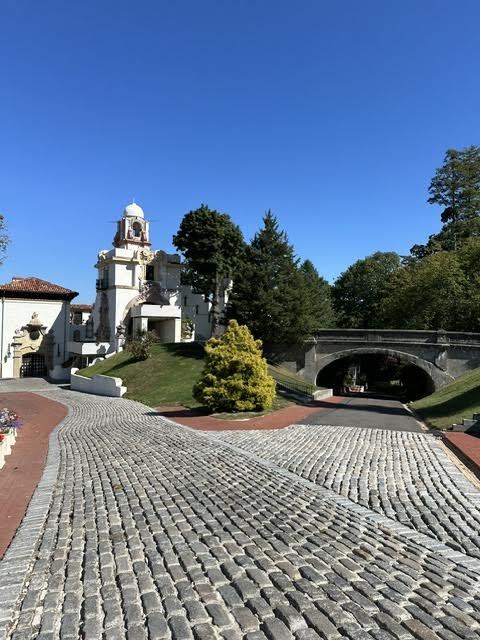
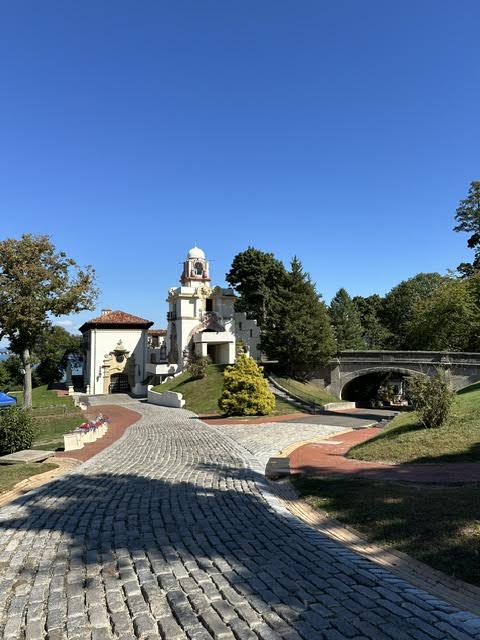
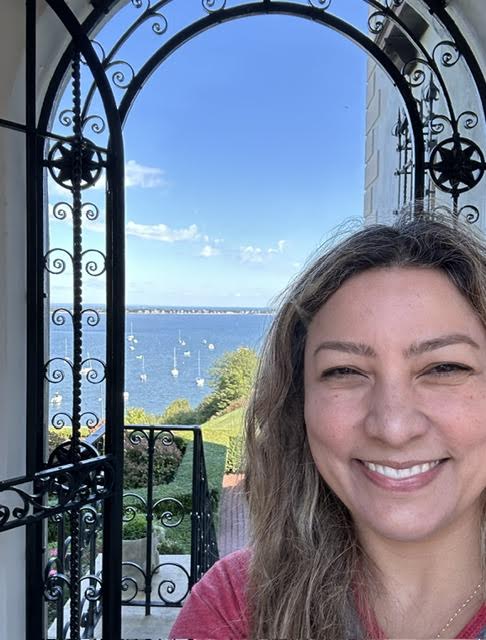
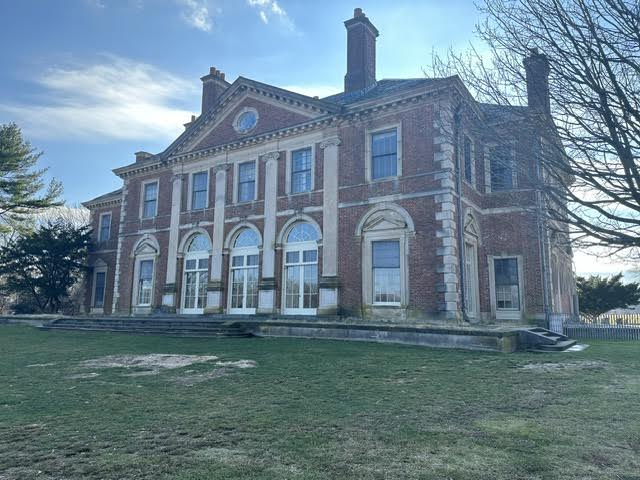
Eagle’s Nest was the summer cottage of William Vanderbilt II, the great grandson of the famous railroad tycoon. Built in 1910, it remains one of the few original Gold Coast mansions left on Long Island, said to have inspired The Great Gatsby. I expected it to be similar to the other opulent homes I’d visited in the area. It wasn’t. Oh, no, it wasn’t similar at all.
I tried, as Nick Carraway’s father warned in the opening lines of F. Scott Fitzgerald’s novel, not to judge.
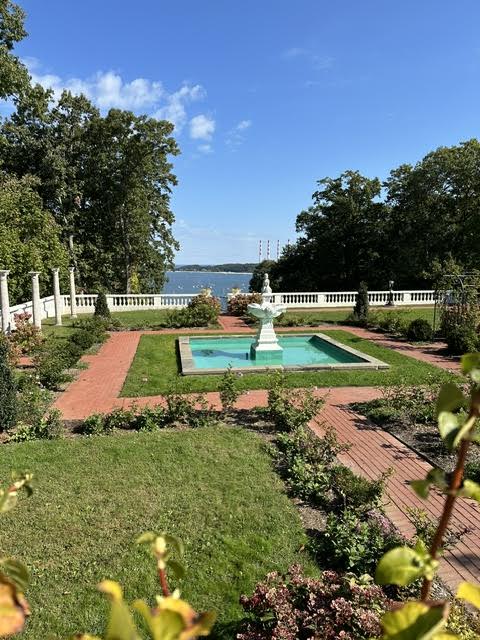
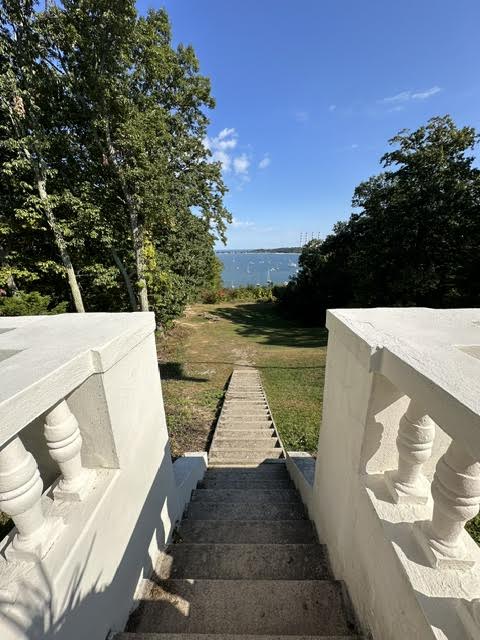
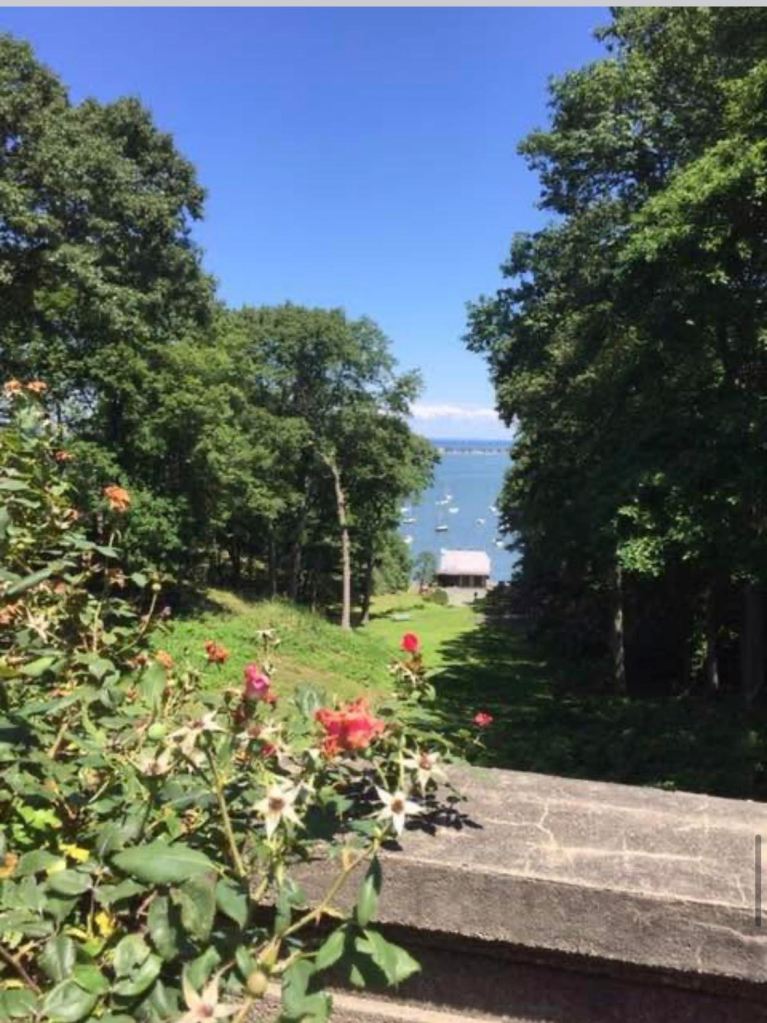
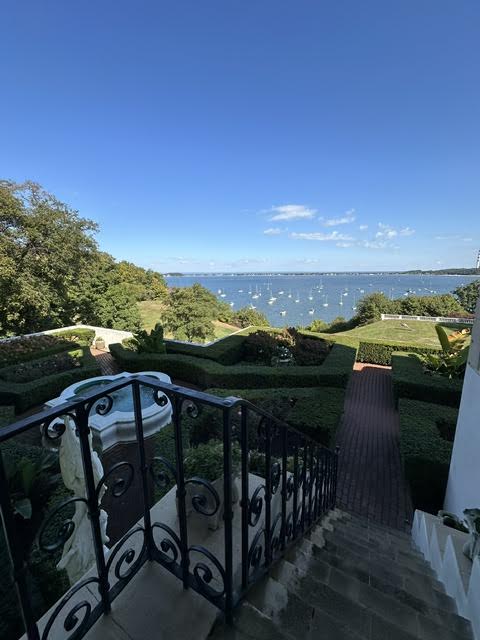
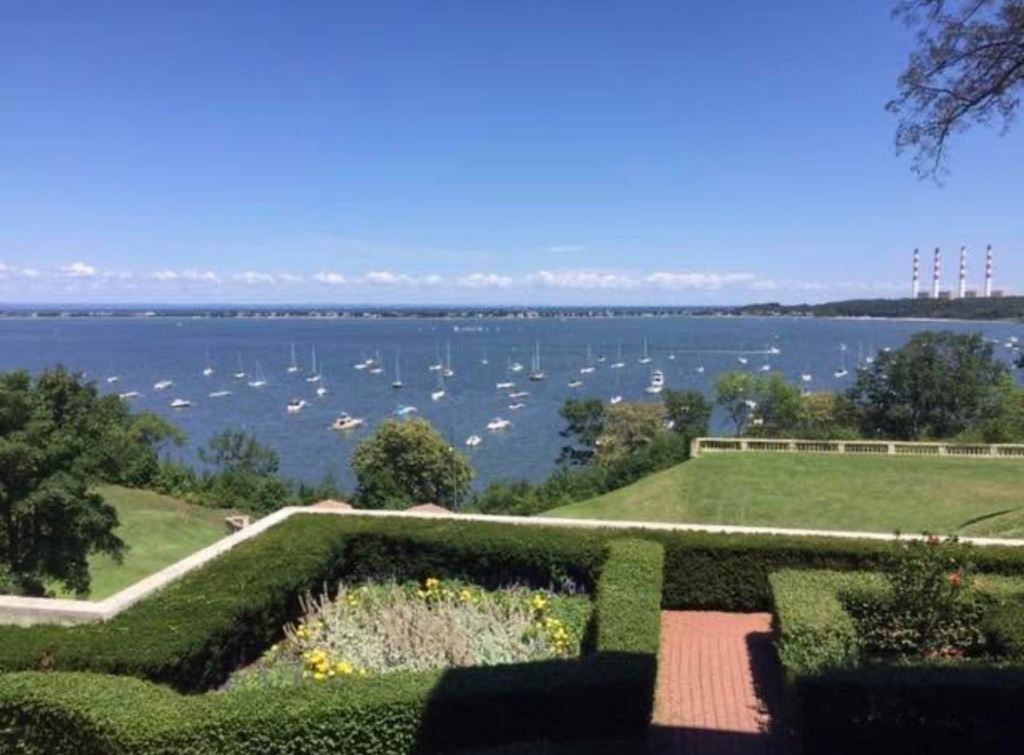
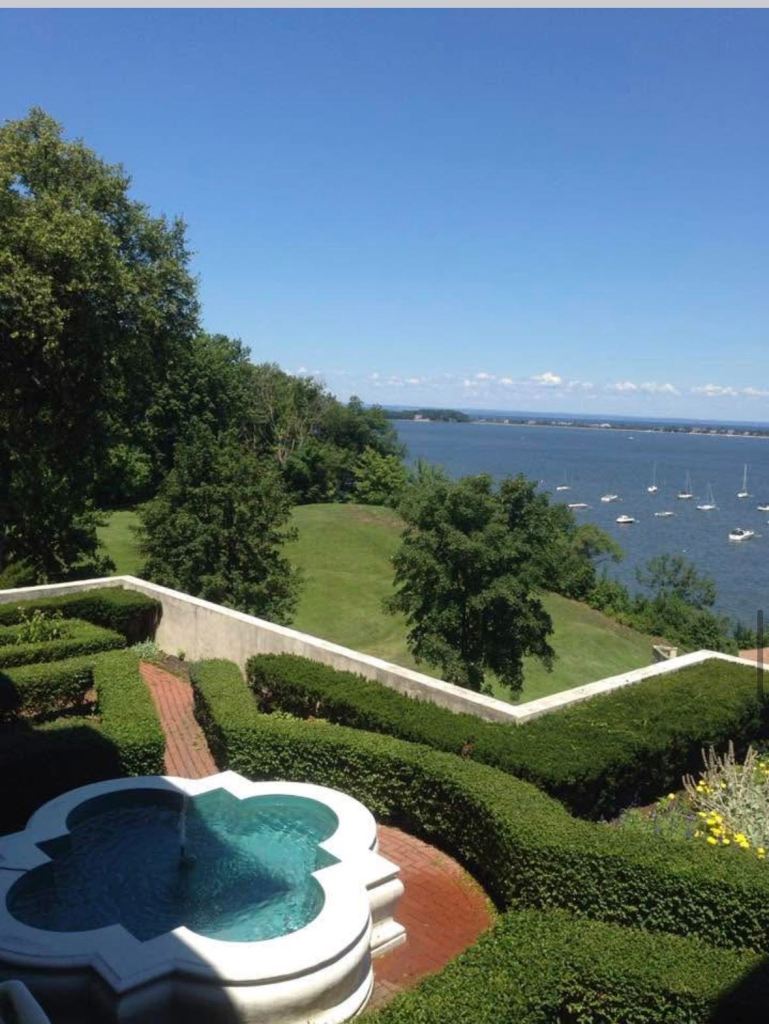
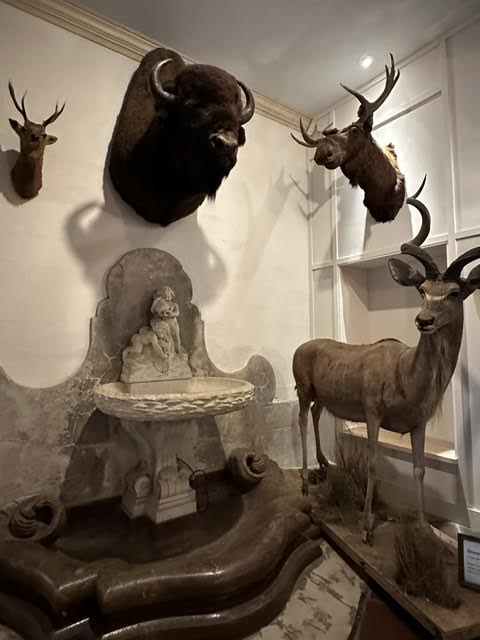
The mansion sits on a grassy hill overlooking Northport Bay, where Vanderbilt docked his 264-foot yacht, The Alva. He would travel the world on his ship and bring home all sorts of curiosities from his adventures: various marine specimens, hunting trophies, and even a mummy from Cairo. His collections were so extensive that he built display rooms and special buildings to house them. When guests came, like the Duke and Duchess of Windsor, Charles Lindberg, and Coco Chanel, he would proudly show them off.
On the day I visited, the harbor was filled with boats, but none that required a 50-man crew. I was able to see a replica of The Alva, as the original was donated during the war by Vanderbilt and sunk by German torpedoes. But, as fascinating as the museum was, it made my skin crawl. It felt as if something dark lived underneath, like a creature from The Maracot Deep by Arthur Conan Doyle, or Twenty Thousand Leagues Under the Sea by Jules Verne.
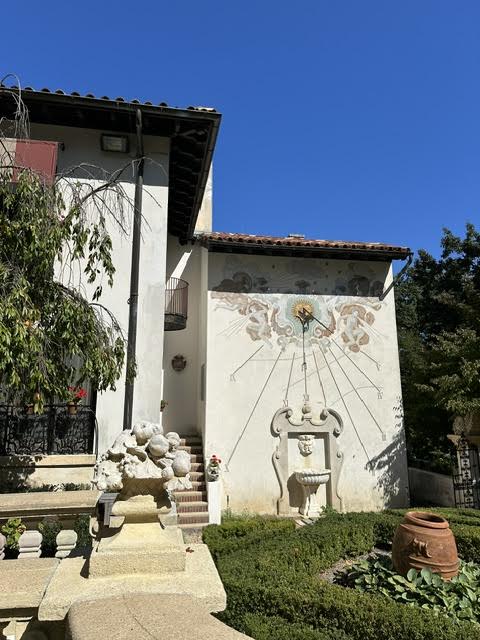
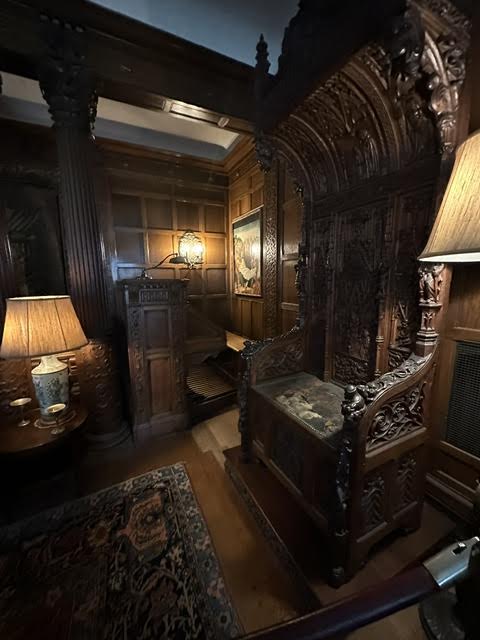
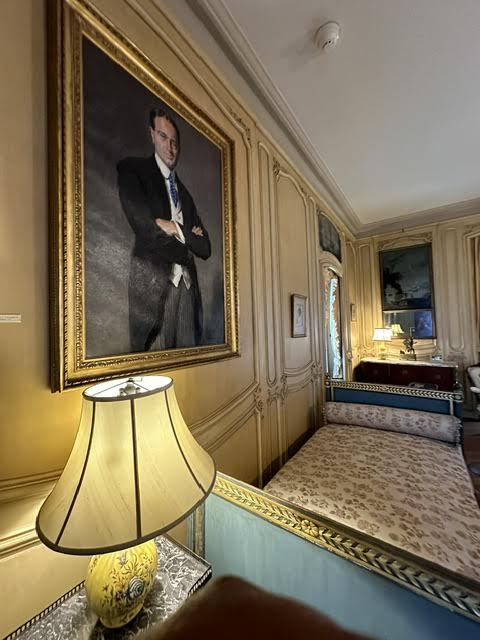
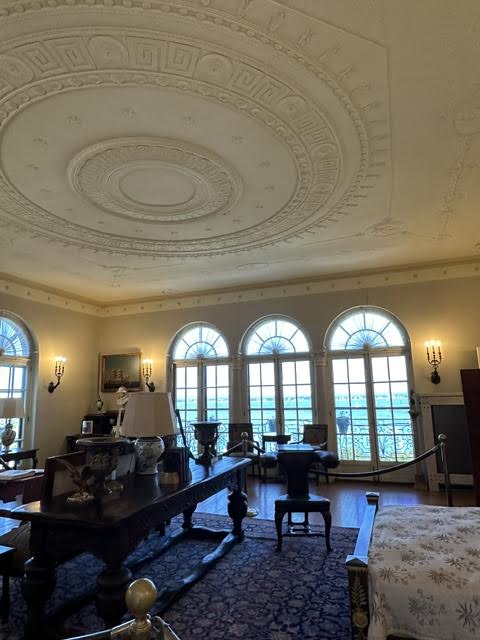
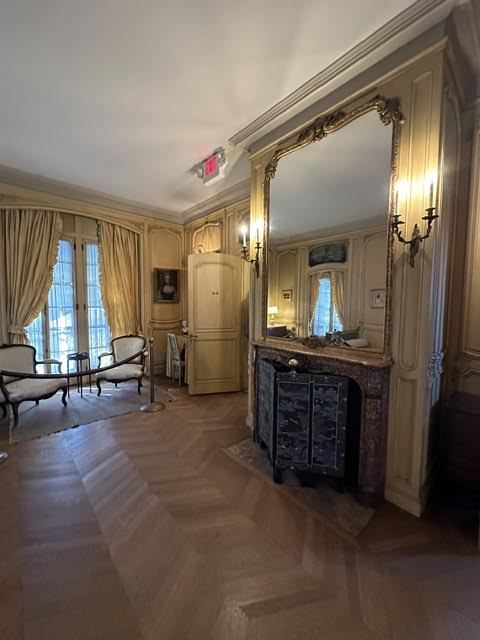
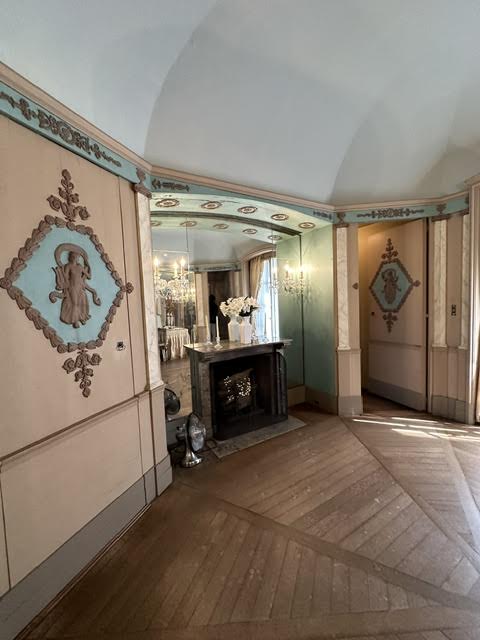
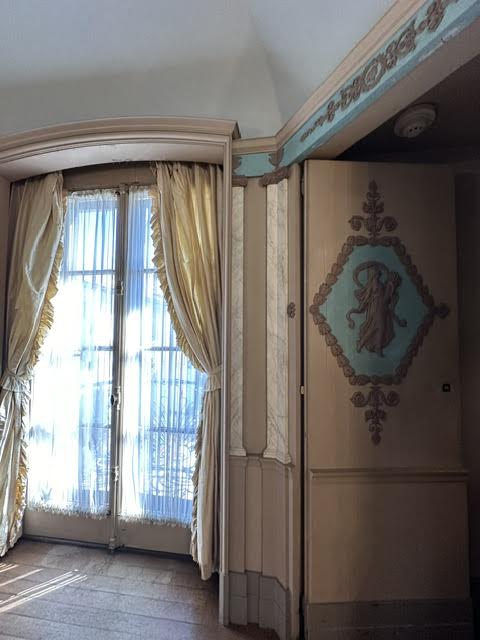
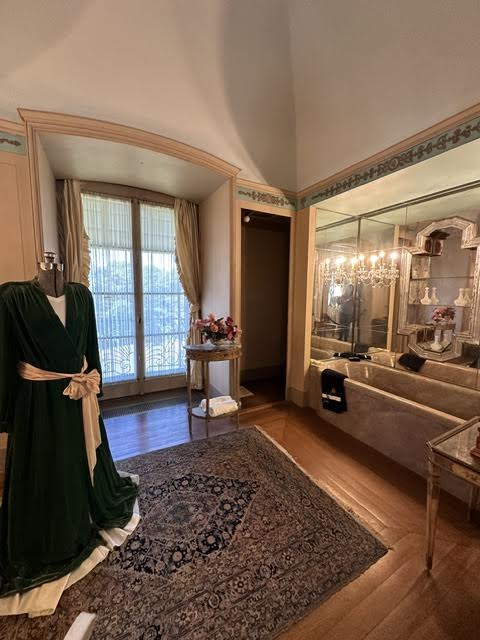
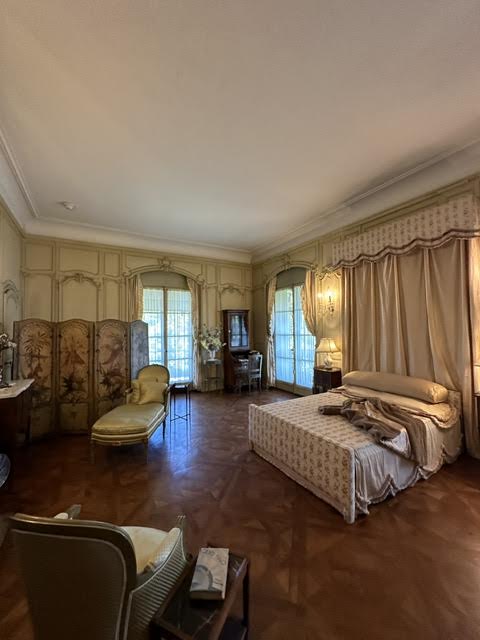
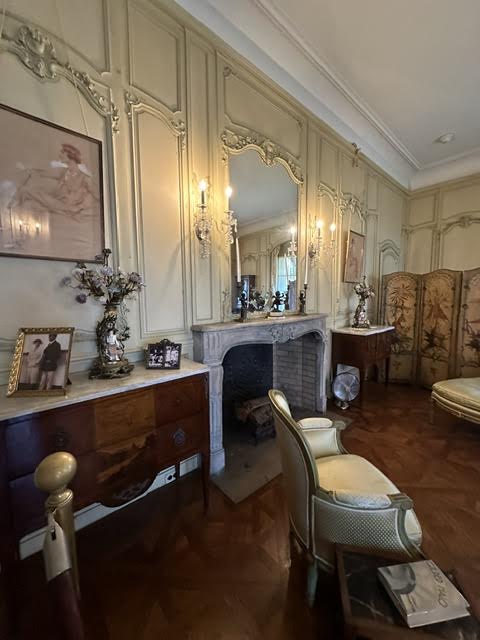
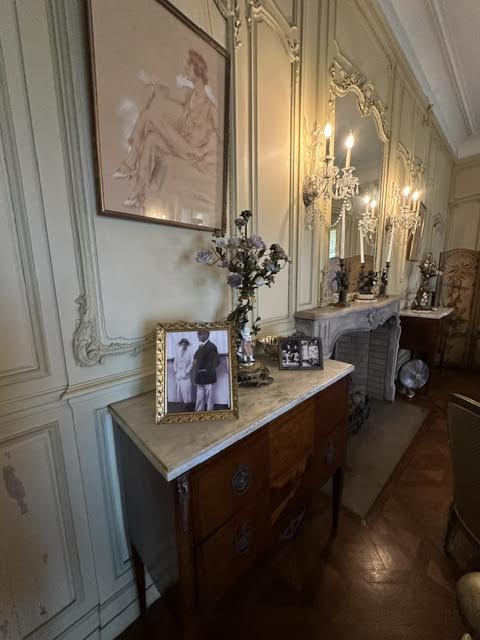
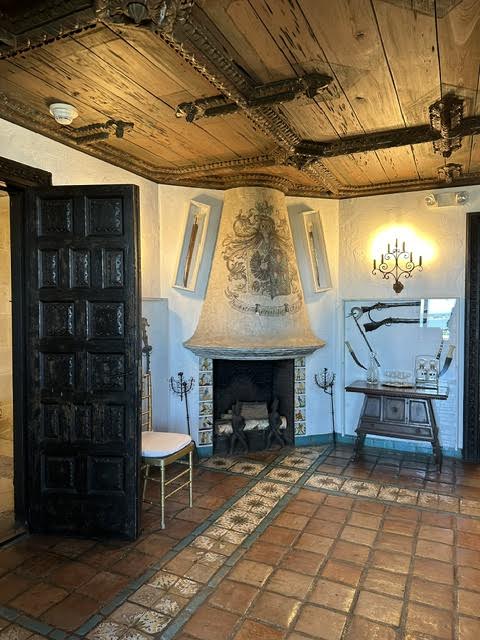
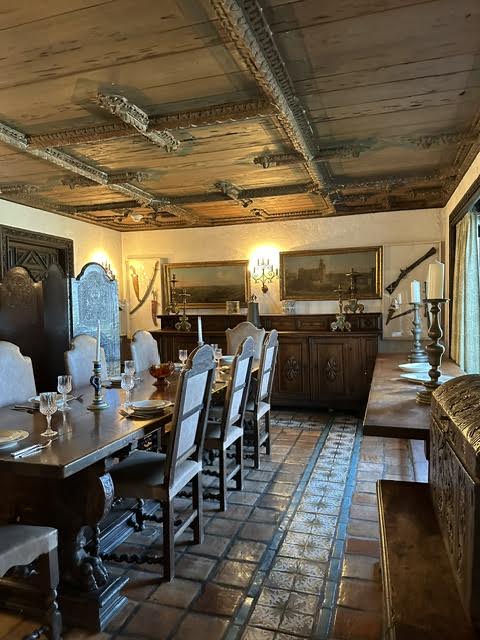
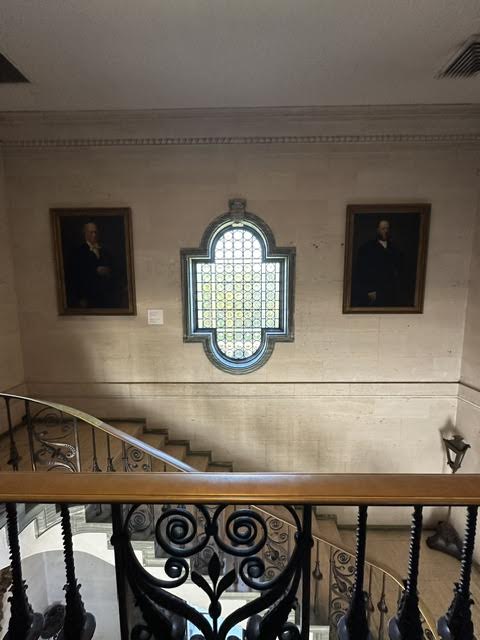
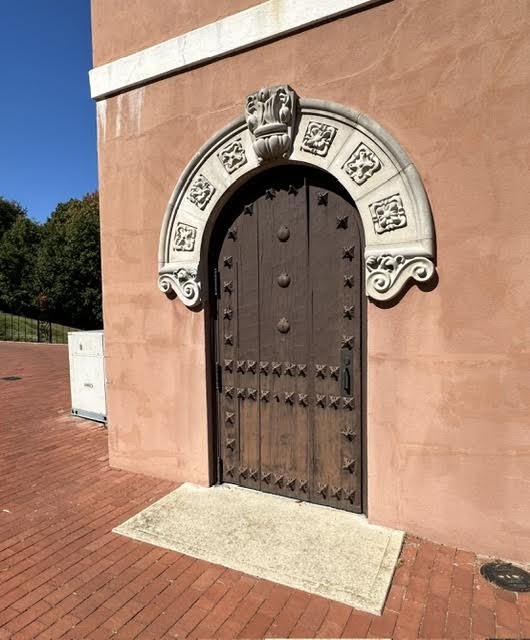
Inside the Spanish Revival home was an interesting mix of dark furniture and art. But my favorite rooms were his wife’s quarters, especially Rosamond’s bathing and dressing area. The Art Deco design made me feel like I was walking into the glamour of the 1920’s. And I could easily picture Daisy from The Great Gatsby, standing in front of the mirror to check her hair.
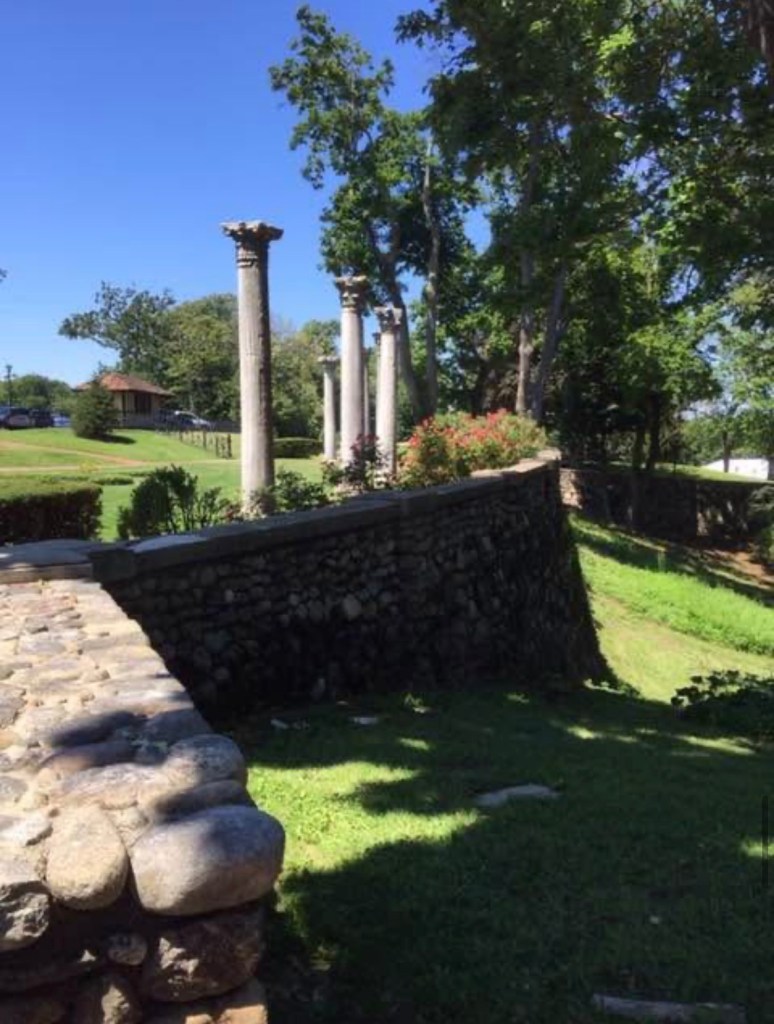
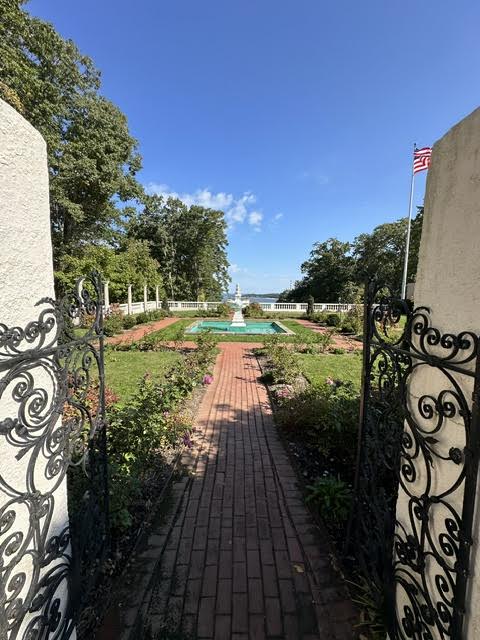
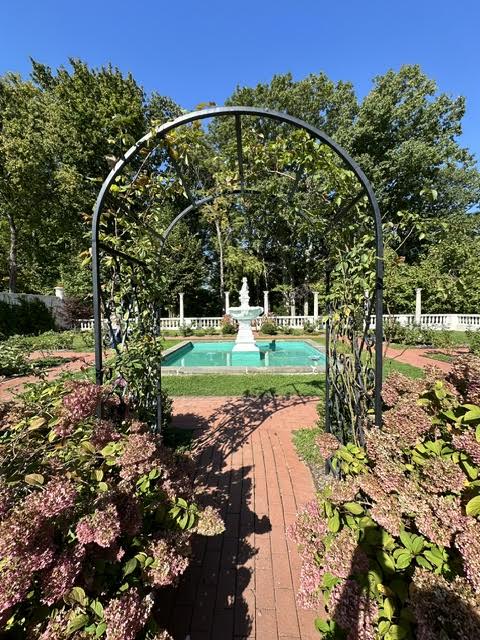
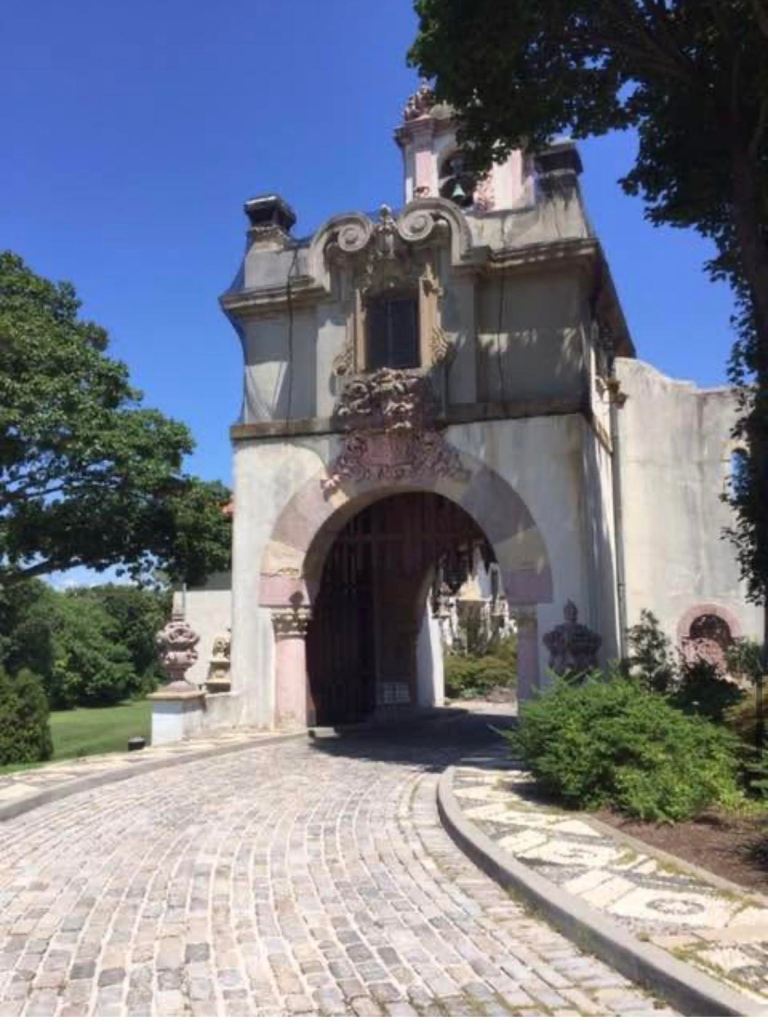
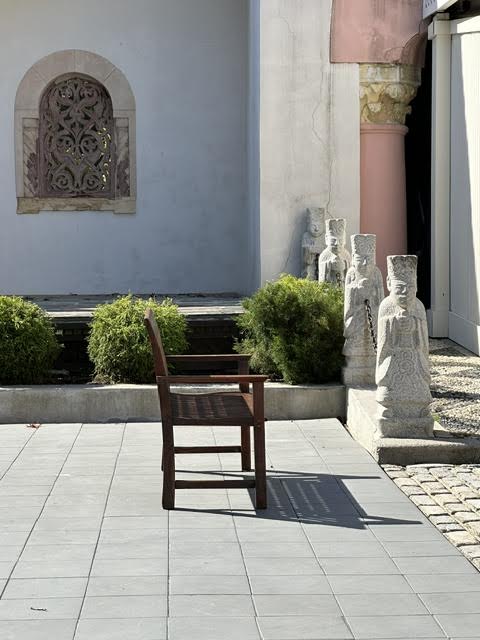
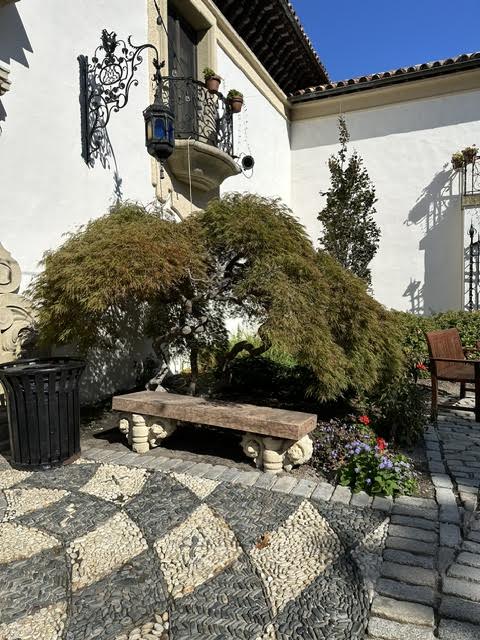
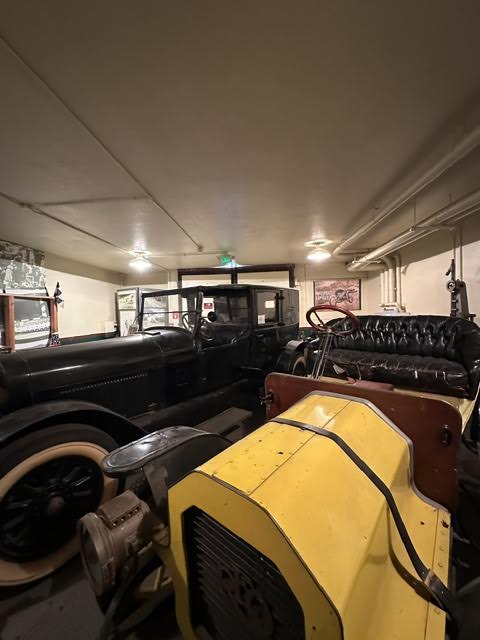
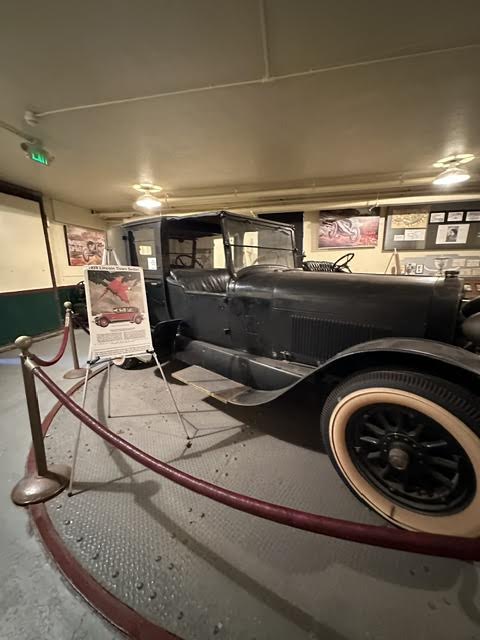
The grounds of Eagle’s Nest are expansive, 43 acres of sunny rose gardens, woods, and a planetarium. Not as large as Caumsett Historic Park Preserve, but with equally impressive views of Long Island Sound. Here you can explore different buildings, along with antique cars and a memorial wing dedicated to Vanderbilt’s son who sadly passed away. In the end, the estate was donated to the county as a living museum, with all the original furniture and specimens.
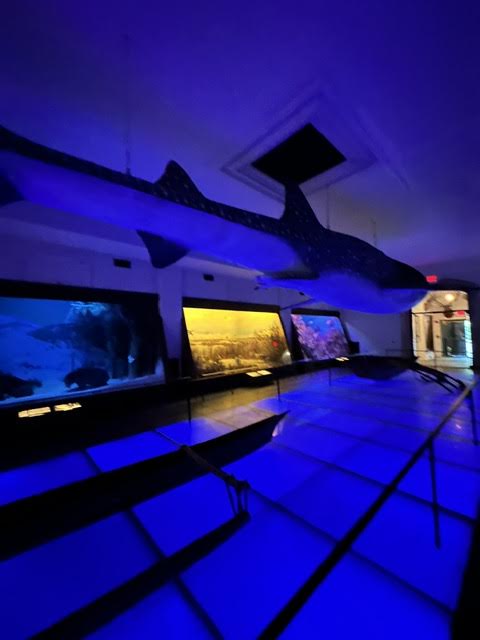
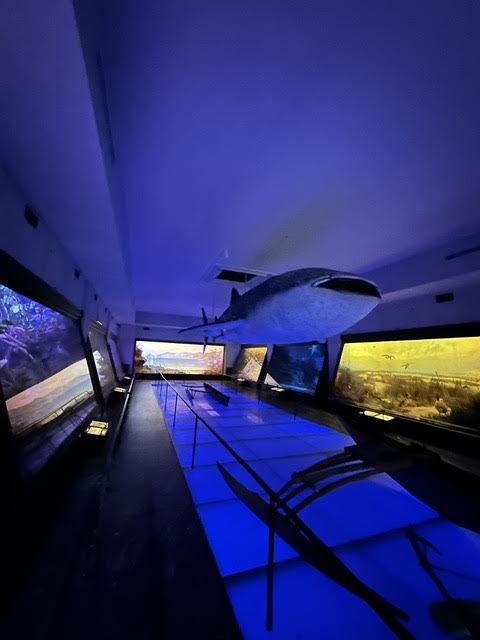
But there was something else left behind. Underneath the white stucco mansion, in the cool, dark basement, with low blue lighting to make you feel like you’re under the sea, is a massive, 32-foot stuffed whale hanging from the ceiling. A taxidermist’s dream or a nightmare come true. I wasn’t sure.
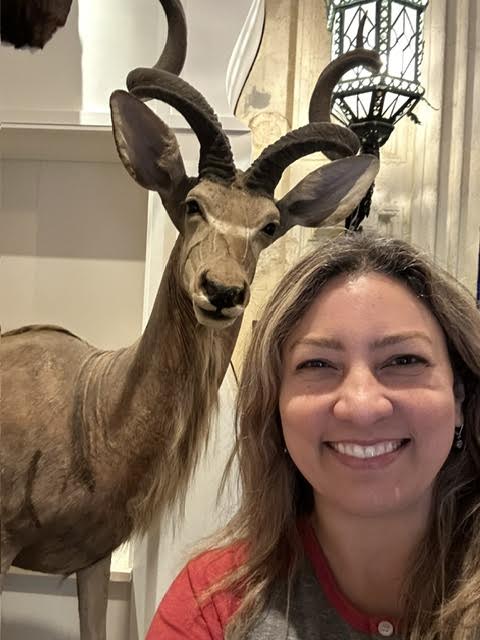
Alone, on the lower floor, glassy eyes seemed to follow me as I moved from case to case, examining the detailed habitats created with care. An old ventilating system hummed in the background, but I swore I could smell a note of rot clinging to the fake cattails and cordgrass. My skin crawled with unease. I swiftly moved on to see the mummy, another one of Vanderbilt’s treasures–located in the Nursery Wing. But the human remains taken from Egypt were wrapped up tight, slowly decaying with the animals and other delights.
As I left the estate, I thought of Jay Gatsby in the novel who said, “I lived like a young rajah {…} collecting jewels, chiefly rubies, hunting big game, painting a little, things for myself only, and trying to forget something very sad that had happened to me long ago.”
Dawn B~


 Dawn Berkoski
Leave a comment