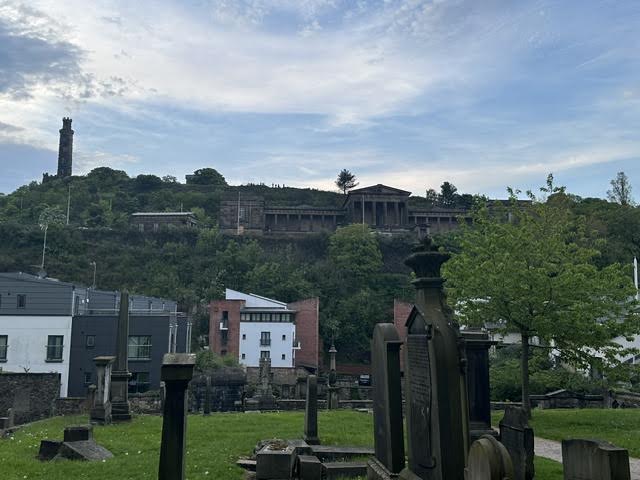
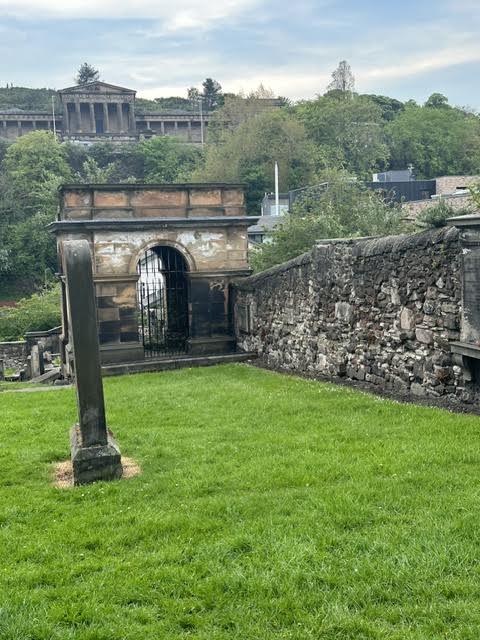
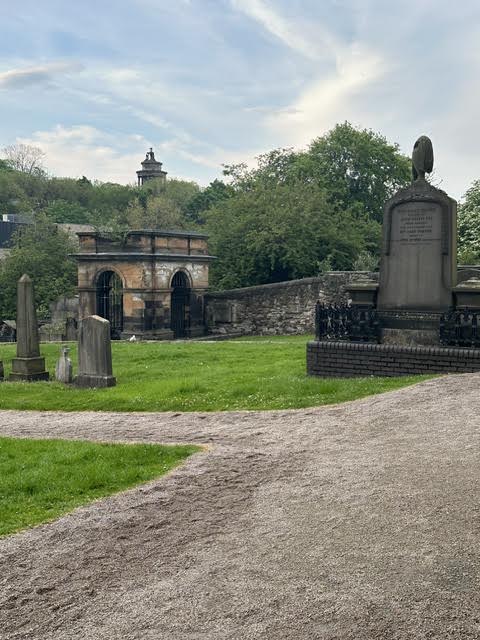
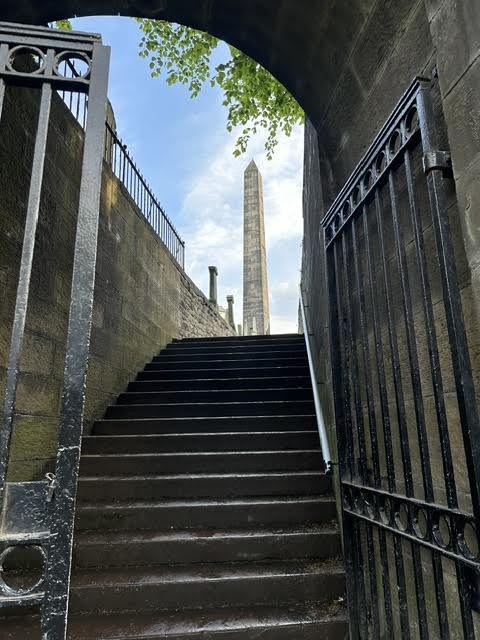
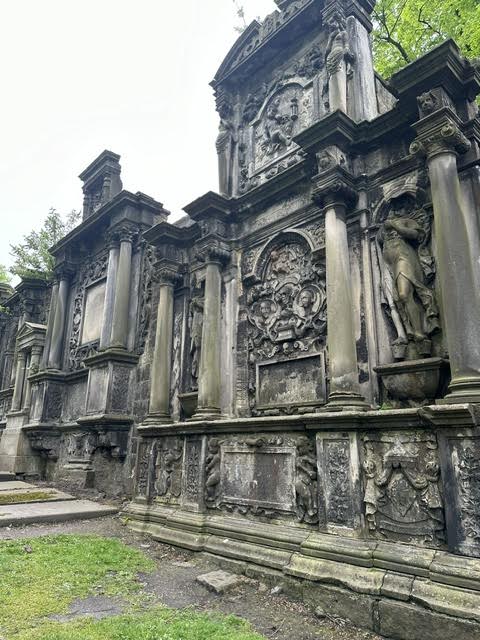
The strangest part about descending Jacob’s ladder was that I began in one Kirkyard and ended up at another. It made sense. Jacob’s ladder wasn’t meant for mere mortals to tread. But as much as I loved cemeteries, I started to feel uneasy. Where exactly was this search for my dream castle taking me?
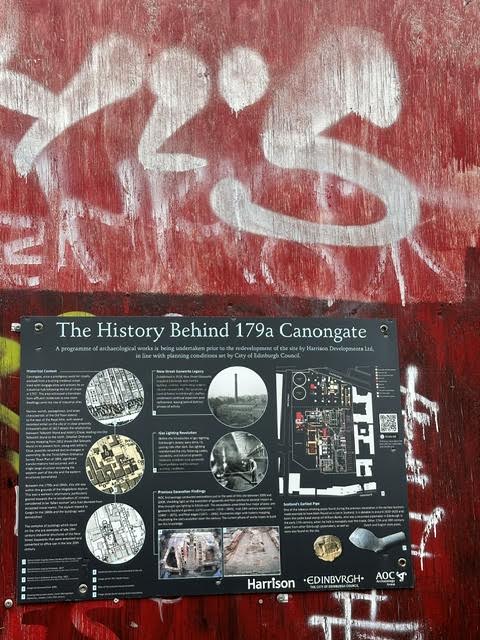
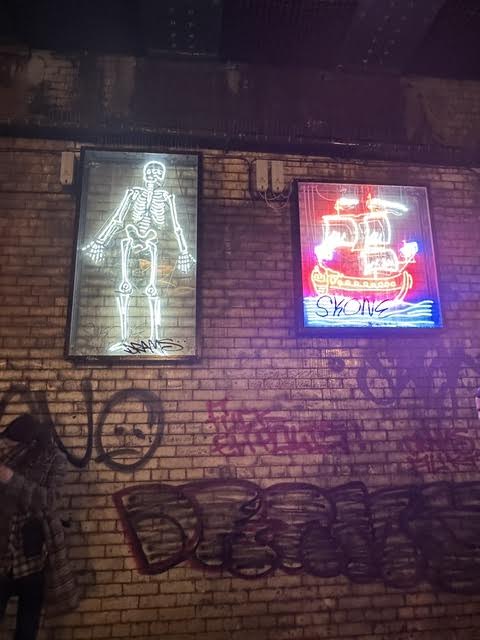
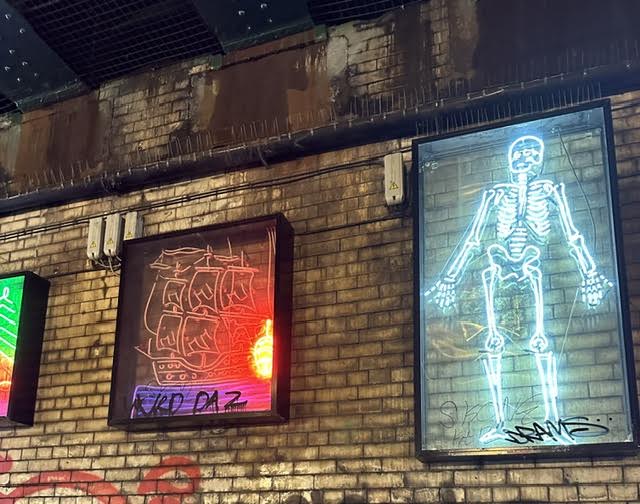
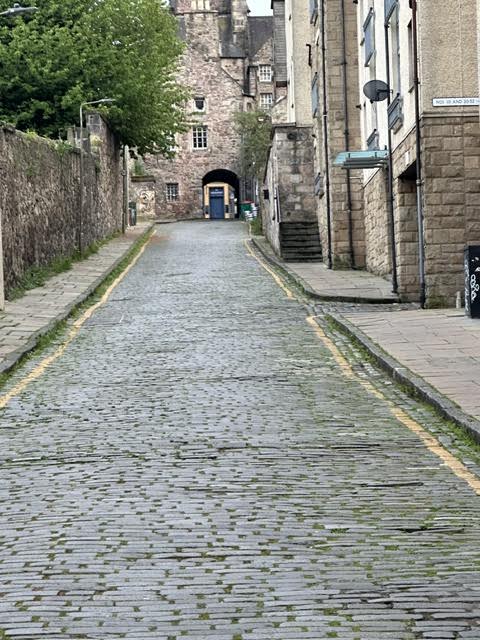
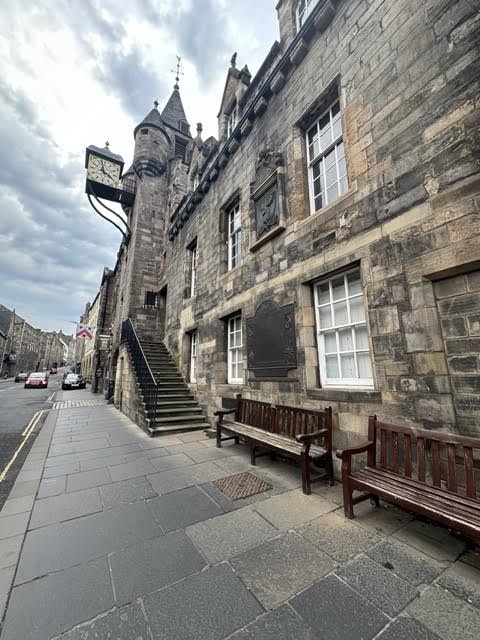
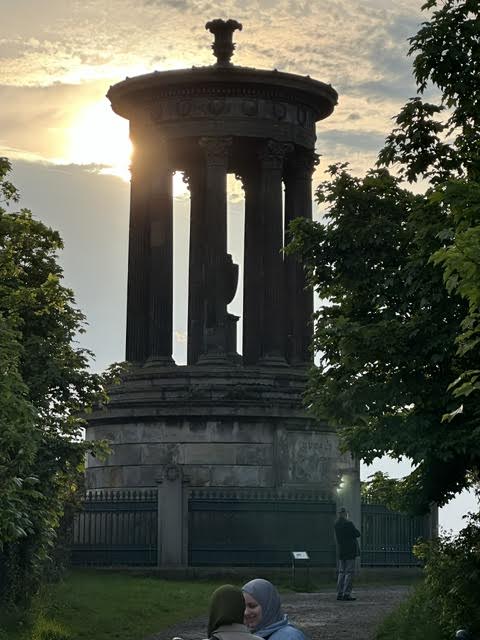
I stuck to the path, wandering from one burial ground to another and into Canongate, where I continued to be surrounded by images of death. Neon skeletons danced under a bridge with walls painted blood-red. What did it all mean?
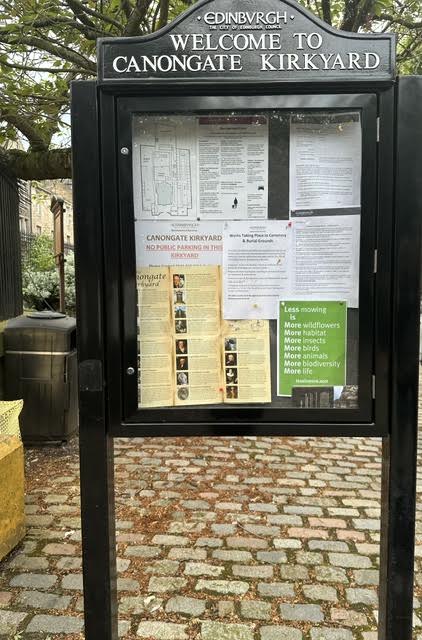
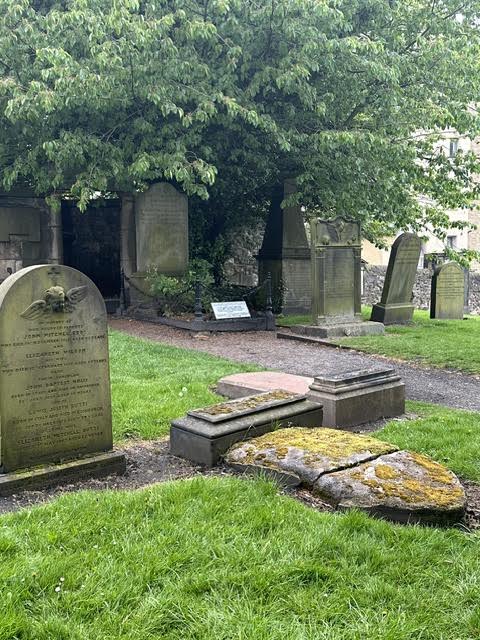
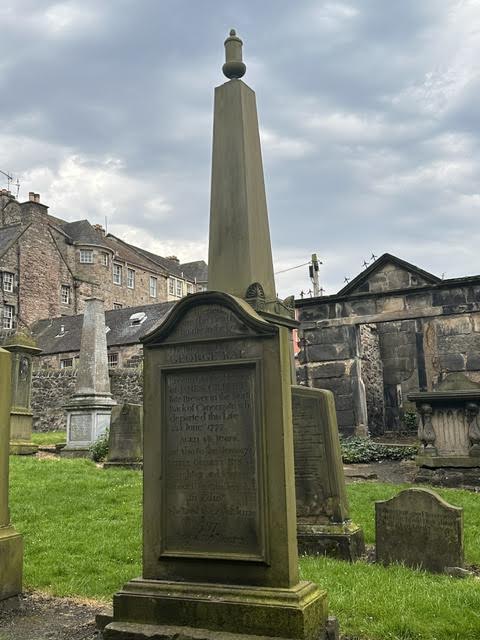
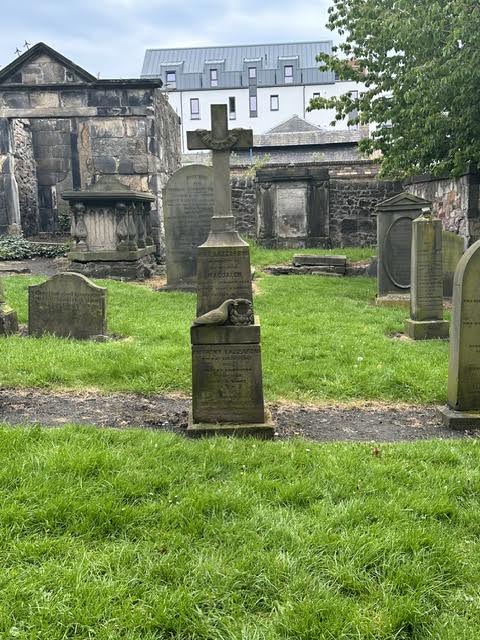
And then I entered Canongate Kirkyard and heard an interesting tale. It’s rumored that the character, Ebenezer Scrooge, was conceived from a grave marker there. I remembered my trip to Highgate Cemetery and a tombstone that apparently inspired Tiny Tim, and I started to think that Charles Dickens had a penchant for graveyards, like me. Who knew we had so much in common?
But what was important was the turn my adventure took from there. An epiphany of sorts washed over me. The divide between poverty and wealth, the path of wanting “more” that can lead to destruction of body and soul. First, Shelley, then Dickens. Two authors who wrote supernatural tales with social commentary that resonated with the world. I wanted to write in such a way, to reach those heights. Not like them but of them, with all the similarities and differences of living centuries apart. Maybe this search for my dream castle was about finding something else.
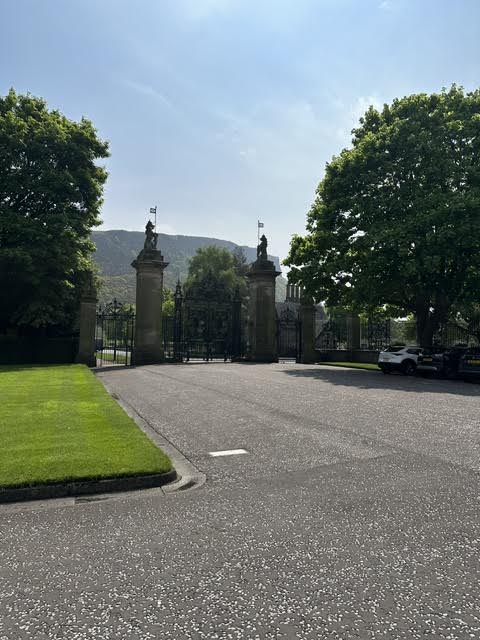
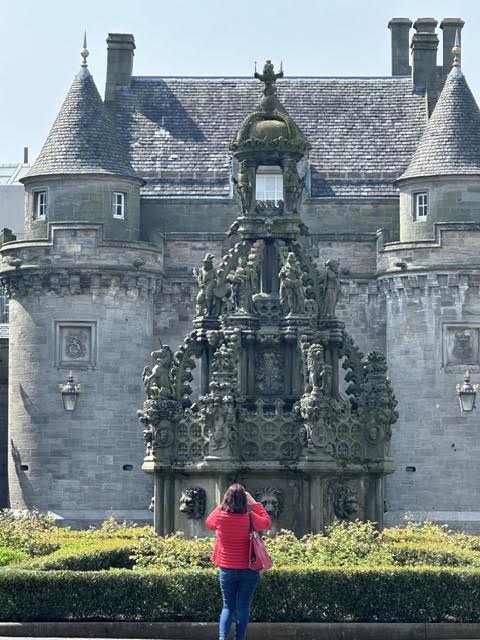
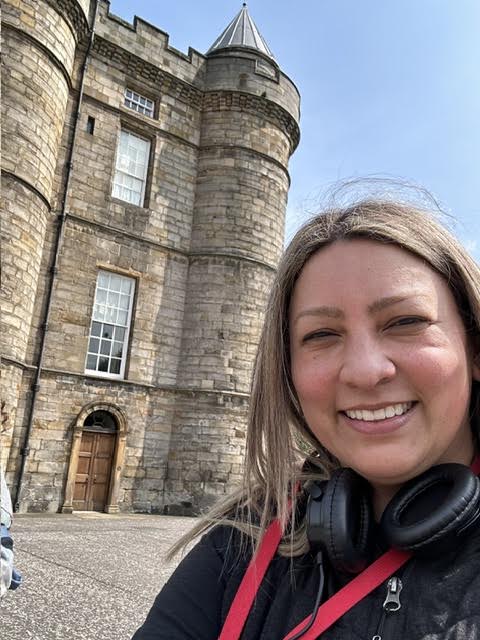
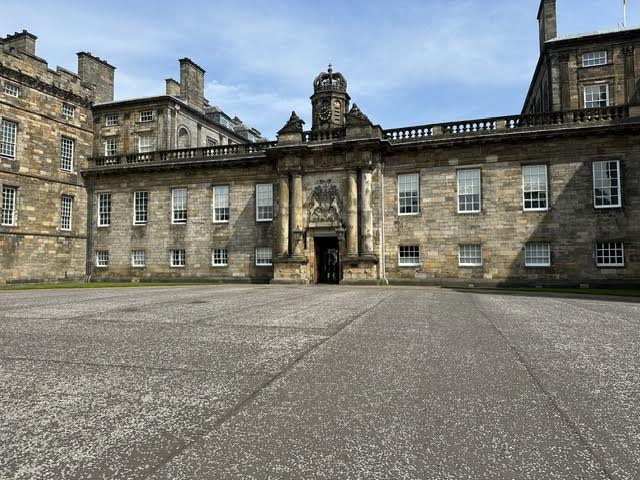
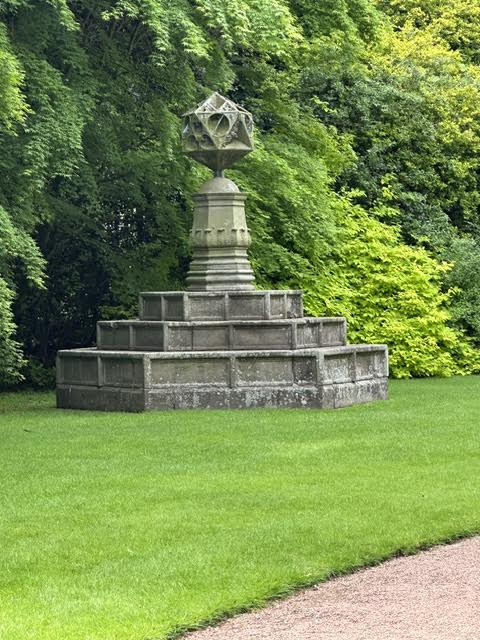
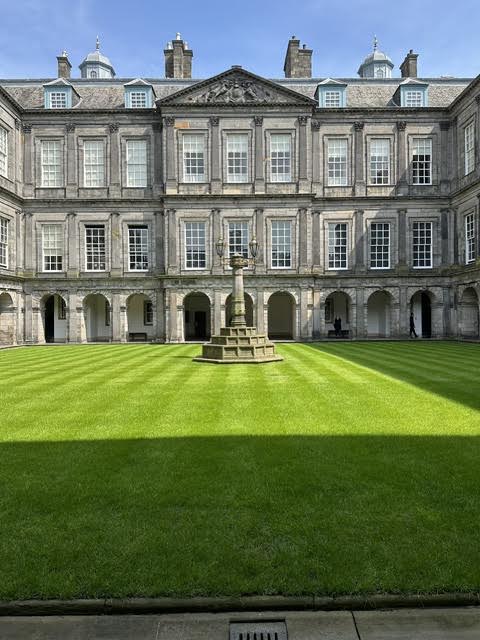
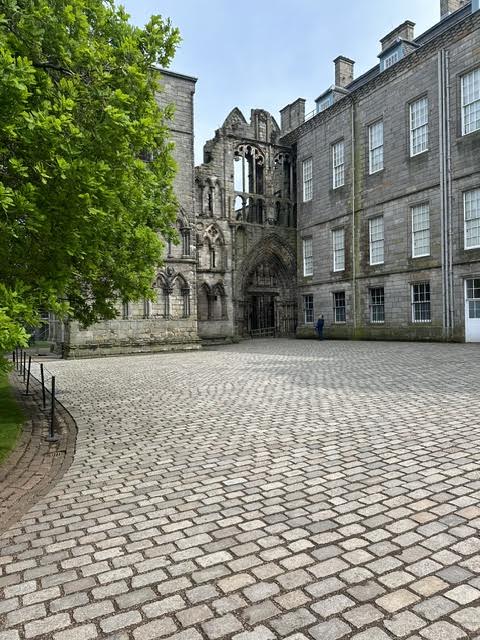
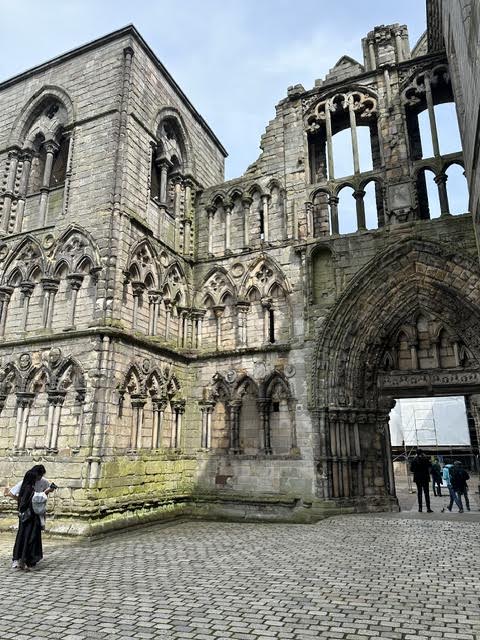
The common threads continued to weave together as I entered the gates of The Palace of Holyroodhouse. There I was introduced to Mary, Queen of Scots. I walked through her lavish apartments, examined her sparkling jewels, and peered closely at the floorboards where the blood of her murdered secretary, David Rizzio, soaked through.
Another connection to the graveyards perhaps? My unease grew. This might be the right path towards my dream castle, but it seemed like a very dark road.
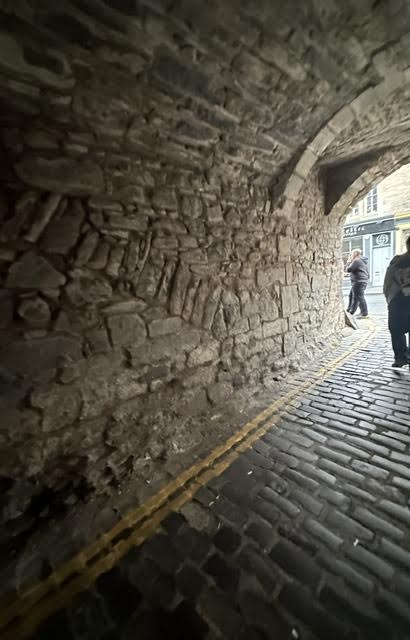
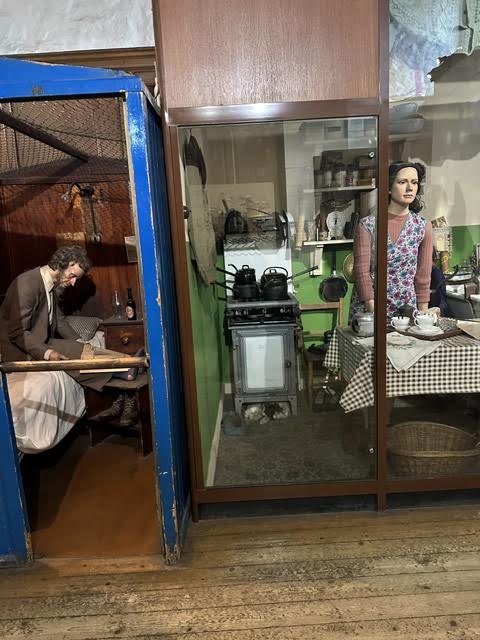
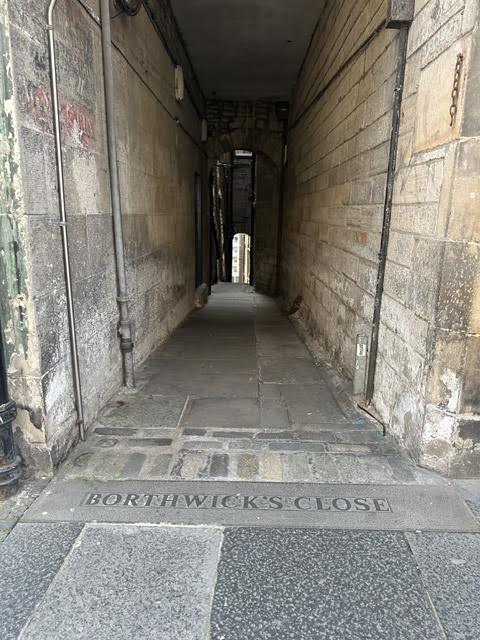
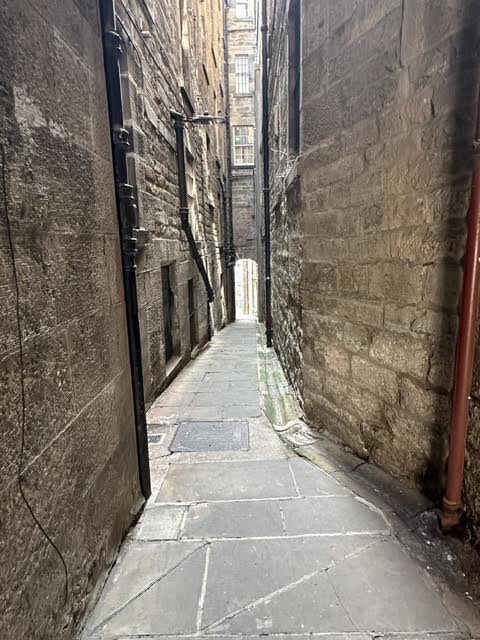
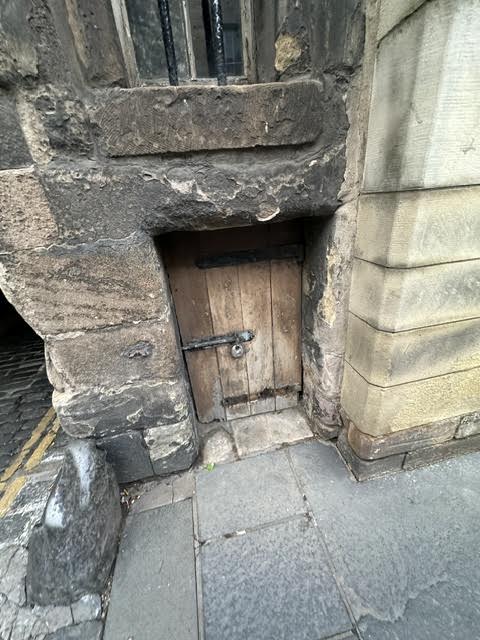
My feeling of dread worsened as I went into The People’s Story Museum and learned about the painful conditions of the poor, a steep contrast to what I had just seen. There, along the Royal Mile, in narrow alleyways called closes, the destitute lived with the rats; whole families packed tight in tomb-like rooms with no light.
And later, walking the cavernous, underground spaces of Mary King’s Close (Another Mary) where many died due to unsanitary conditions and plague, was a cold reminder of the lessons in Frankenstein and A Christmas Carol. Thirsting for “more” when others have nothing was a road I didn’t want to take.
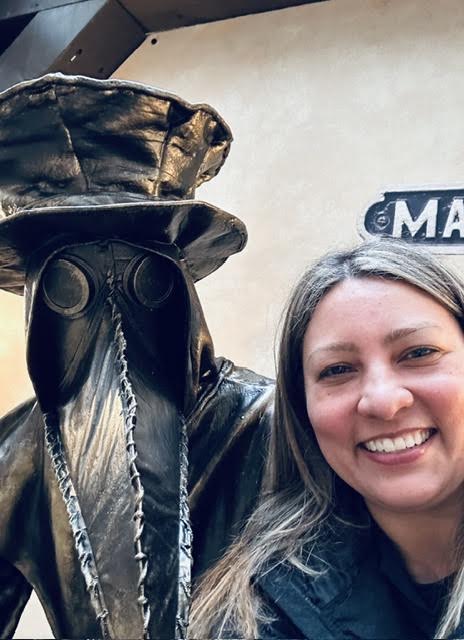
And yet, my newest obsession propelled me forward. Like Rae, the famous plague doctor who donned a beaked mask and long coat while examining the sick, I thought I would be immune if I was careful. I knew the risks. With graveyards all around me, I’d watch where I stepped.
This search for my dream castle was no longer the romantic quest I thought it would be. It had become a perilous journey. And perhaps there wasn’t one Mary to watch for, but three.
So, as I tracked the heart of Princess Marie through Transylvania, I would follow the Marys of Scotland and see where they led me. I hoped to return in one piece.
Dawn B~

 Dawn Berkoski
Leave a comment