“Learn from me, if not by my precepts, at least by my example, how dangerous is the acquirement of knowledge, and how much happier that man is who believes his native town to be his world, than he who aspires to become greater than his nature will allow.”
–Mary Shelley, Frankenstein
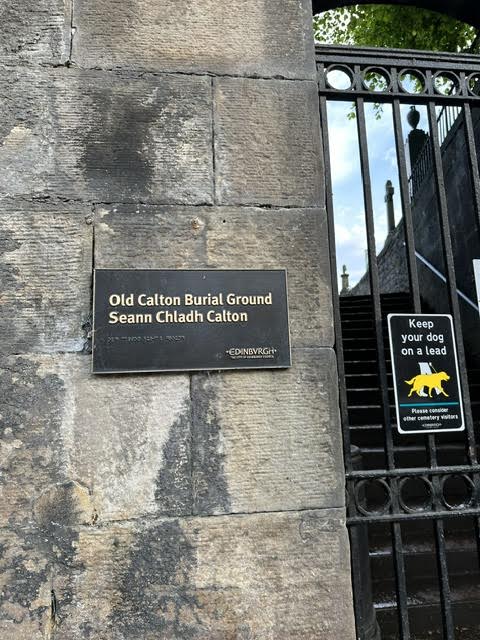
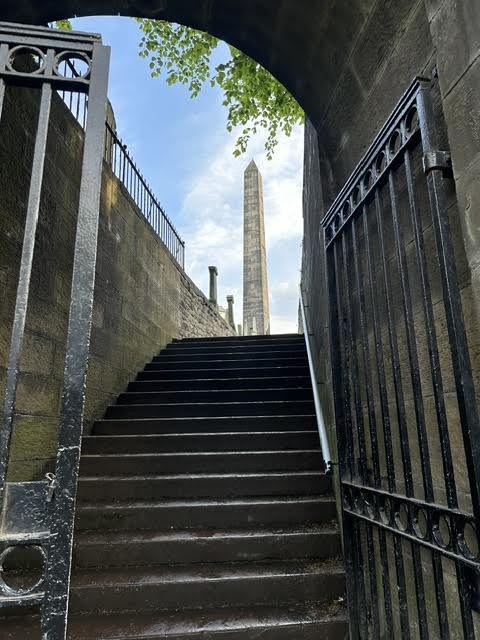
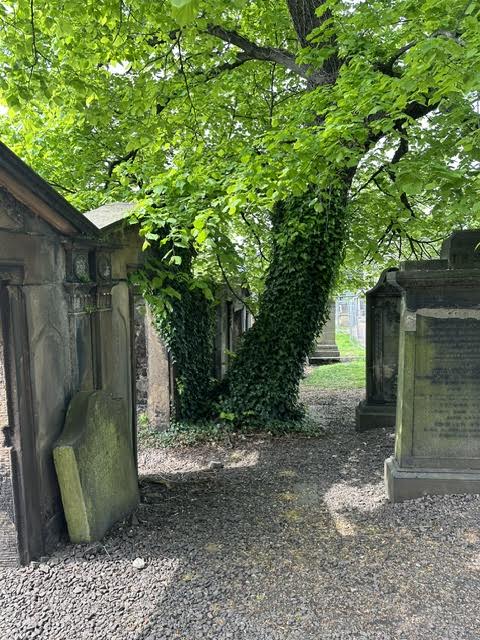
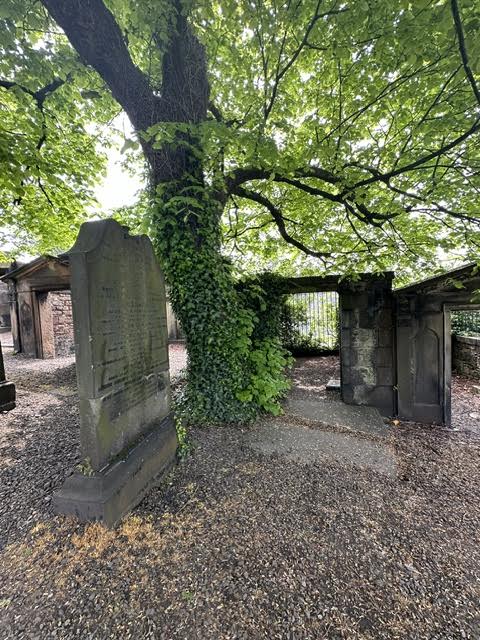
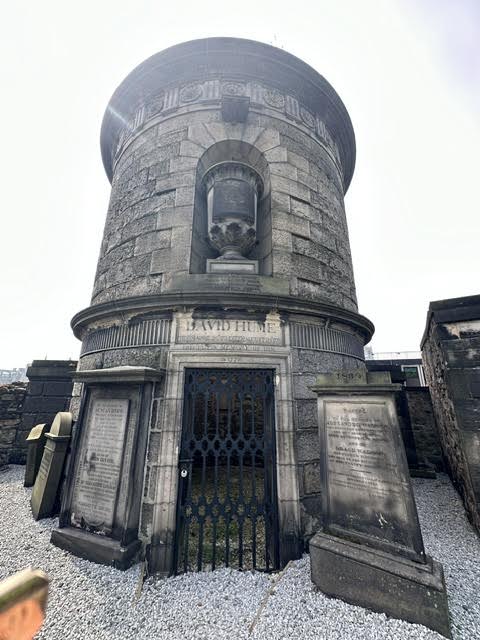
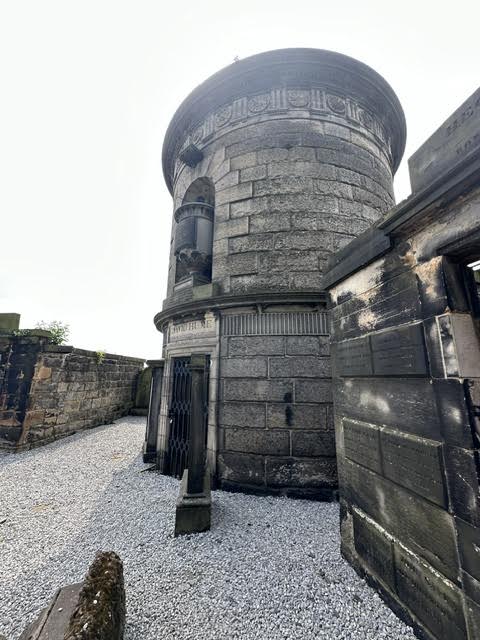
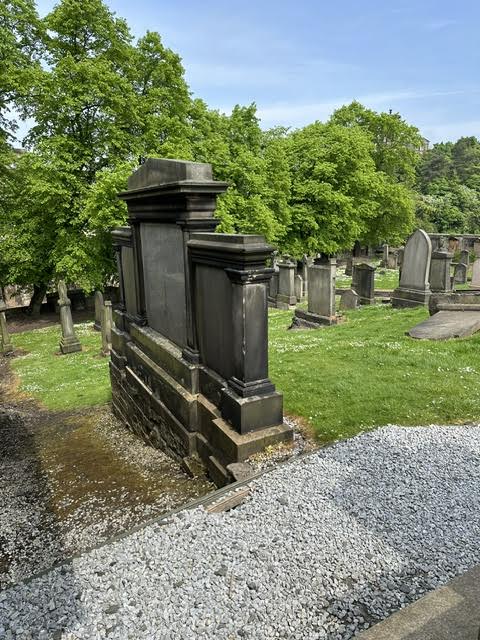
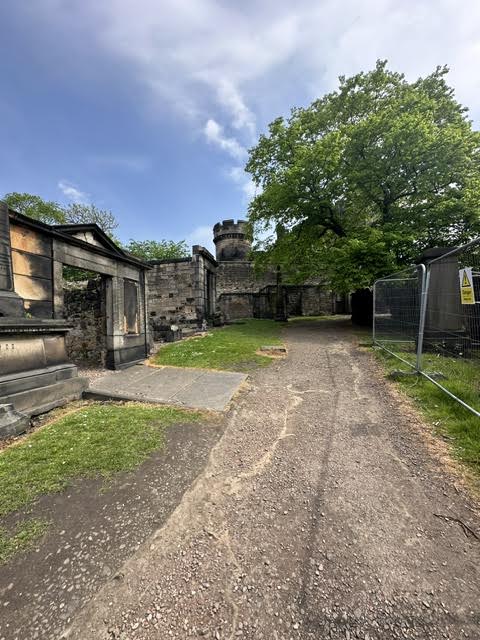
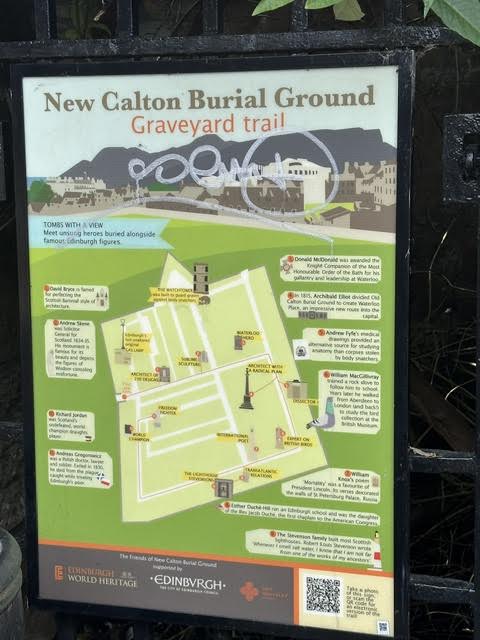
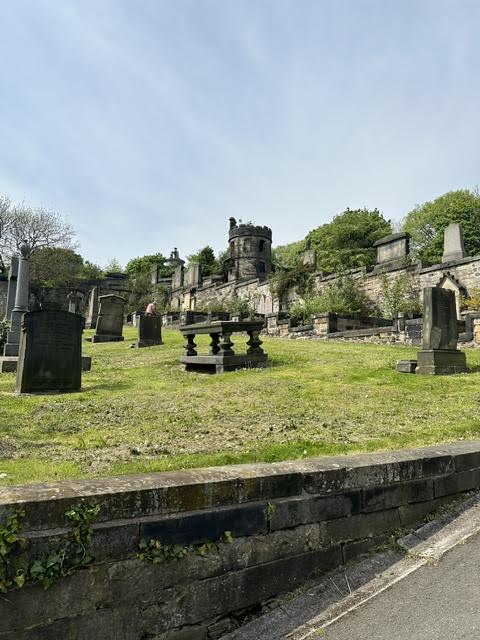
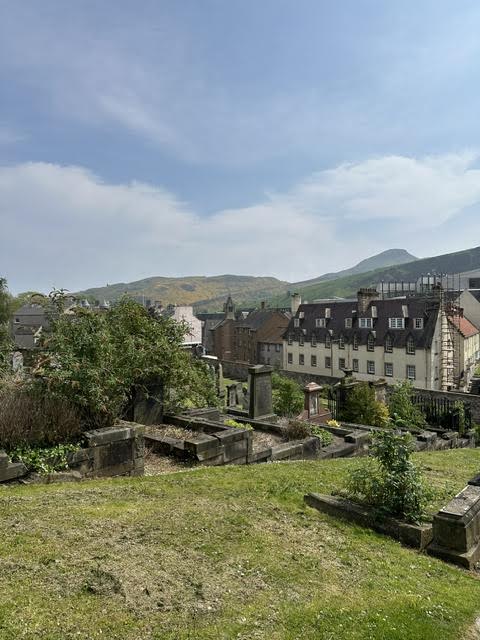
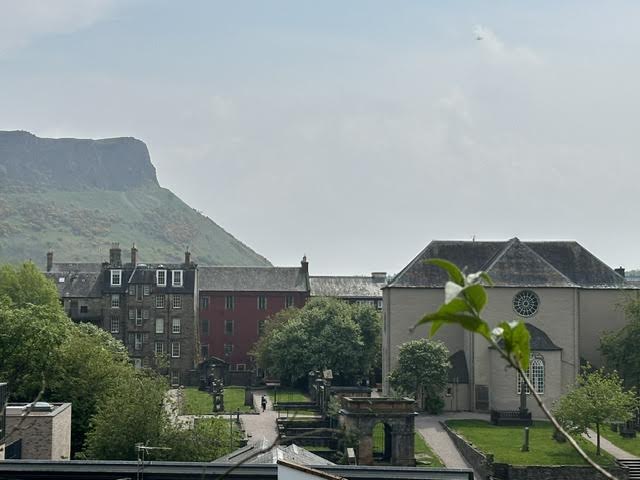
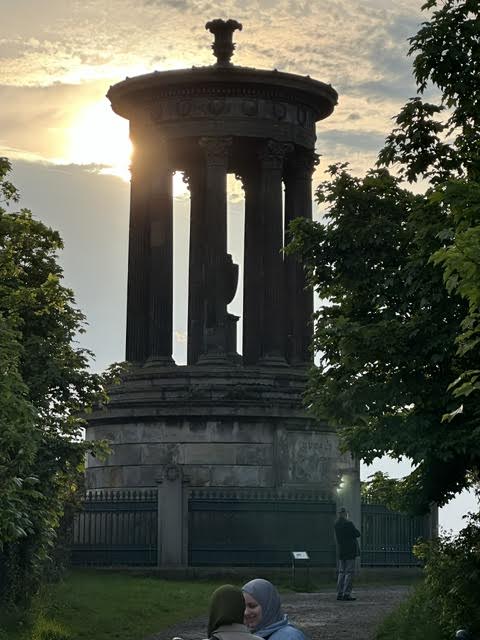
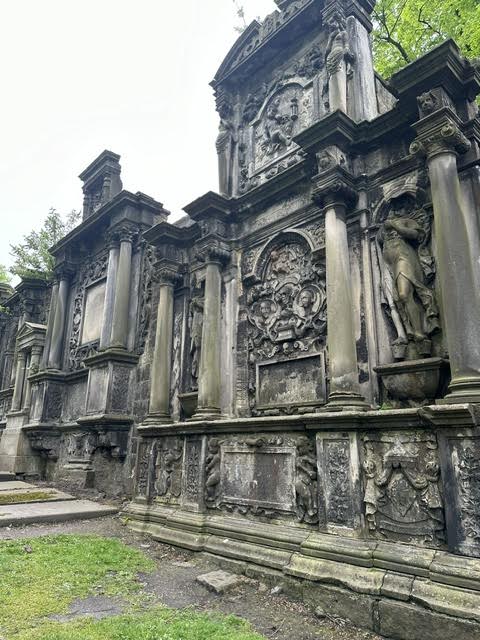
Near Calton Hill lies the Old Calton Burial Ground, where an ivory obelisk looms over graves from the 1700’s. And near this memorial for political martyrs, on a gentle slope overlooking Edinburgh, stands David Hume’s Mausoleum.
As I stared at the mausoleum, puzzle pieces shifted into place. Ever since passing the giant Frankenstein statue, I’d thought about the author, Mary Shelley, and seeing Hume’s tomb was a promising sign that I had found the right Mary whispered in my dream about the mysterious castle.
Shelley was an author who was intimately familiar with death. A woman who lost her husband and children and went on to travel and write her famous novel, Frankenstein. A tale of the monstrosity called grief, and so much more. A tale I knew well.
She was a writer who questioned. Her spare time was spent socializing with romantic writers, philosophers, and poets of her time like Lord Byron and her husband, Percy Shelley, discussing everything under the sun. Some say that Frankenstein is an exploration of the philosophical concepts in David Hume’s, A Treatise of Human Nature.
I could see it. Human nature can be more monstrous than any fictional creature Mary, you, or I could create. The thirst for more can lead down a dark and deadly road, as Dr. Frankenstein learned in Shelly’s tale.
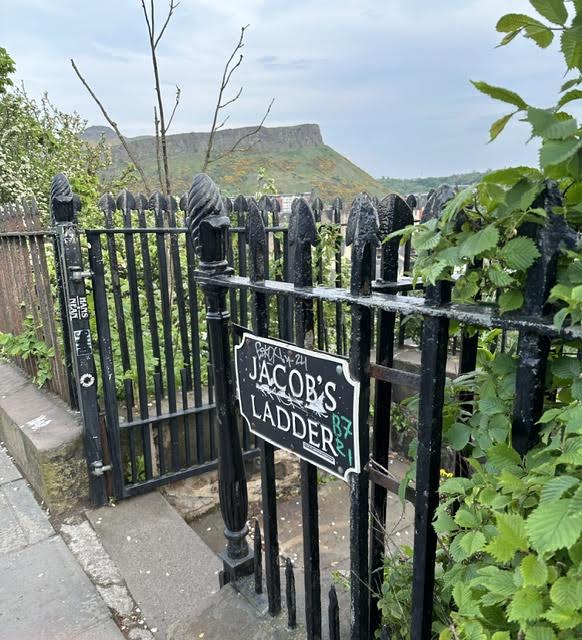
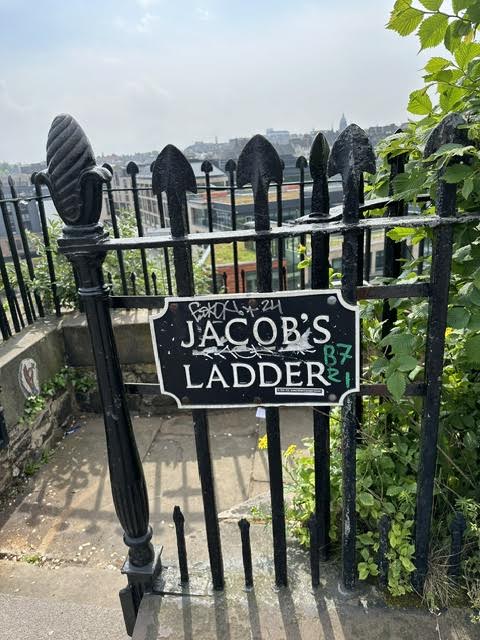
That leads me to Jacob’s Ladder, which I encountered shortly after leaving the cemetery.
In physics, Jacob’s ladder involves two metal rods, high voltage, and electrical arcs. You probably see the connection to Frankenstein there. “It’s alive!” A quote from the movie, not the novel.
Jacob’s Ladder is also a story about a morally flawed man named Jacob, who tricks his starving brother. After many trials, including being tricked himself, Jacob sees the light and the two reconcile. A turning point is when Jacob dreams of a ladder between Heaven and Earth. The meaning of the dream has been interpreted in various ways, like the representation of a pathway towards enlightenment or an escape from earthly trappings.
Whatever the meaning, I felt like I was headed in the right direction. There were too many signs to ignore. Though, as a writer with an overactive imagination, I had my doubts they were signs at all. I’ve heard that once you notice them, they pop up everywhere. I still wasn’t sure. Being aware doesn’t mean you won’t fall.
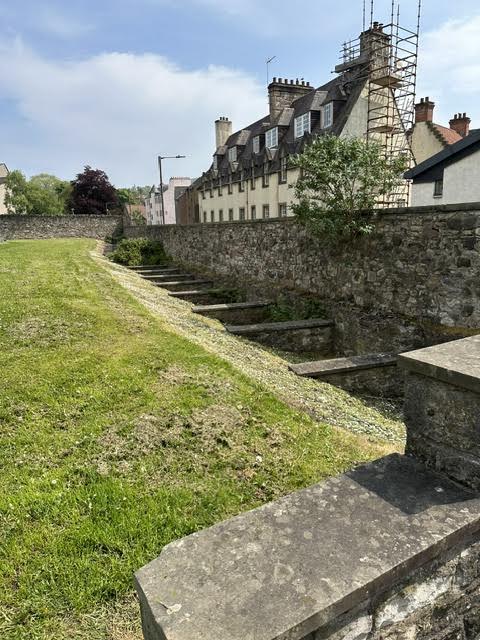
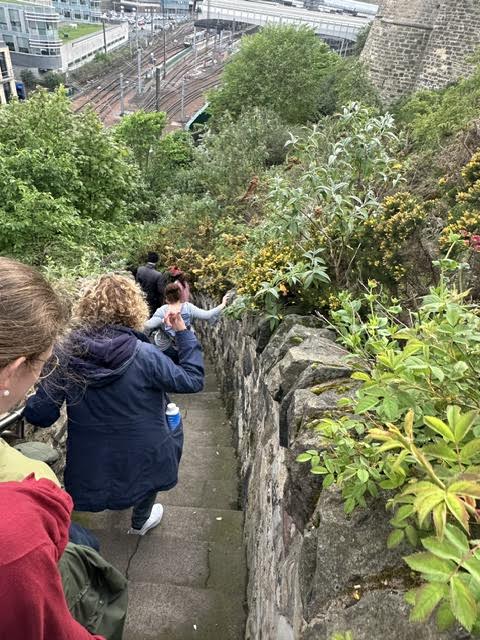
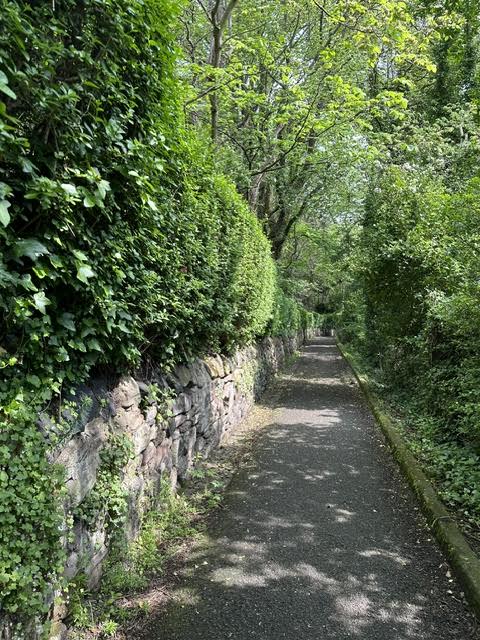
That’s what I thought as I stood at the top of Jacob’s Ladder, looking down at the long, narrow, historic staircase carved into the rock of Calton Hill, which once served as a funeral route.
What did it all mean? The question rung in my head. I needed answers. The search for my mystery castle had become an all-consuming quest. But, as I would learn, some answers may come in dreams, others only come after death.
How fitting that I found Jacob’s ladder near a graveyard.
I started my descent.
Dawn B~

 Dawn Berkoski
Leave a comment